Kevin von Duuglas-Ittu
-
Posts
2,273 -
Joined
-
Days Won
502
Everything posted by Kevin von Duuglas-Ittu
-
 All is good, I give you the last word.
 -
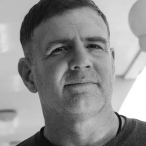
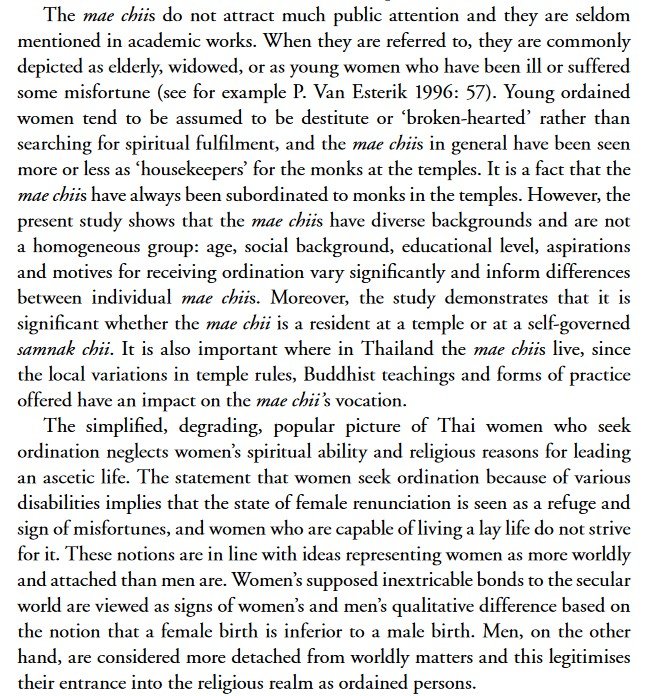
I'm reading a really informative and well-written study of the Maechi (or Mae Chii) of Thailand, MAKING FIELDS OF MERIT Buddhist Female Ascetics and Gendered Orders in Thailand, you can download it here (300+ pages): MAKING_FIELDS_OF_MERIT.pdf It details the field study of a class of women in Thailand who have devoted themselves to religious pursuits, vowing celibacy, taking on the ascetic life. They are often referred to as "nuns" in rough cultural approximation, and exist in a kind of no-mans-land of social status. Women cannot ordain as monks (Bhikkhunī) in Thailand, even though historically Bhikkhunī existed for centuries after Buddha established the order, largely due to a much argued over technicality in the laws of ordination. I'm not hear to discuss that dispute, but rather draw an compelling parallel between the struggles of religiously devoted women in Thailand, the female fighters as well. I am not making these equal ambitions, but suggesting that this study draws out facts about the Maechi struggle that shed light into the nature of Muay Thai and the deeper social significance it plays in Thailand's culture. In making the Maechai situation clear, some aspects of gendered Muay Thai also become clear. I'm going to try and cut to the chase a bit, and not build out too much context. Maybe more context can be added in responses, or in a coming Muay Thai Bones podcast where it might be great to discuss this with Sylvie. I'm going to focus my thoughts on just two short passages. The first describes the "Ideal Male" in Thai culture, in the context of expected short terms stays in monk hood by most males in the society. And the second speaks of the dismissive position Maechi find themselves in, having renounced worldly attachments and devoted themselves to religiosity. On the Ideal Male The key sentence for me is the last sentence of the first paragraph. The "ideal male is an ex-monk who is an householder". In the flow of society, the ideal male proves his ability to abstain, to have self-control --- for a short period of time --- than then assumes the householder position having proven, or graduated into adulthood. It is important that the author is making a kind of discrimination of what "ideal" means. In the stronger sense of ideality, monks in their life long self-control, form the ideal, but in a more connotative, practical sense, it is the process of touching upon that ideal, and then taking your place running a household, that is the ideal. On the Non-Ideal Female Here is where it gets really interesting, and indeed painful. While striving toward what one would assume is a genderless Buddhistic ideal, non-attachment and religious devotion, Maechi are actually downgraded and cast as social failures. They are, by a stereotype, heartbroken or destitute in some way, falling out of their gendered role, and simply taking the refuge of Buddhism (ironically enough, in the pledge you make to convert to Buddhism in Thailand you are asked to take the Sangha,the "Church" so to speak, as your refuge). While men are lauded for their self-control, even for a short period of time, Thai women can be doubted and even side-glanced. The Maechi and Nakmuay Ying This double standard as to devotion to self-control commitments, and assuming social roles plays out in very suggestive way when we shine the same light onto Muay Thai, not just as a sport, but as a social art of self-cultivation and individuation. To understand more on how the Nak Muay personifies some of the same values and experiences of monkhood for Thai boys and men, read: Thai Masculinity: Postioning Nak Muay Between Monkhood and Nak Leng – Peter Vail. It's enough to say that one of the main fabrics of Muay Thai, not only in it's aesthetic, but also in it's core coming of age experience, of boys becoming men, is the hypermasculine way it asks a fighter to embody self-control. This falls directly in line with the ideal of masculinity expressed in the passage into monkhood by Thai men. (And this is one reason why international kickboxing inspired "beast mode" fighting aesthetics being projected onto Muay Thai in Thailand are so painfully tearing at the very meaning of what Muay Thai is.) In any Muay Thai gym in Thailand that is raising young Thai fighters you are witnessing the same self-control project that is expressed through monk hood. In monk hood this self-control is perhaps quite widely stereotyped as sexual desire (though it is much more than this, of course), in the Nak Muay it is controlling the extremes of emotion (anger, tears at loss or physical pain, overt pride). These are both projects of control. Control yourself, then become a man. Young teen Thai fighters are also often denied girlfriends, and one of the reasons why females were kept out of traditional gyms is likely related to this same "self-control" project of personal transformation. The question I'm opening up is found in the rough parallel between the fact that the same self-control project when taken up by Maechi (Thai female religious devotees) is not taken up as admired, or in some important sense of even having a home in society. Often the Maechi are seen as a kind of celibate "wife" of monks, cooking and cleaning at the temple. Her devotion to one of the highest, and theoretically genderless aims of human existence (which at the face of it will be admired in the abstract), becomes in a sense, unreadable. Part of this is there is no place for it. Women cannot become Bhikkhunīs (monks). They cannot take the place of recognition and institutional support that would make their devotion readable to the people. And, I hope this does not appear as too much a stretch, but Thai Nakmuay ying cannot fight in (or even touch) the National Stadia of Thailand. Thai female fighters can devote themselves to not only acquiring the skills and experiences that make them the best fighters in the world, but also steeping themselves in the same social conditioning, submitting to the same "self-control" inculcation that turns Thai boys into men, as Nak Muay - but, their accomplishments ultimately become unreadable against the backdrop of gender role expectations, in the family. The values of self-control that make up a great Muay Thai fighter in Thailand indeed become esteemed and admired, whether they appear in a young male fighter or a young female fighter, just as a devoted female meditation-ist, or a male meditation-ist would be esteemed and admired, but for each vocation there is no readable place for the female devotee to graduate to. There is no Lumpinee, there is no monk hood. And the reason for this, ultimately, is found in the way that Thai women are asked to relate to their desire, and the role it plays in society at large.
-
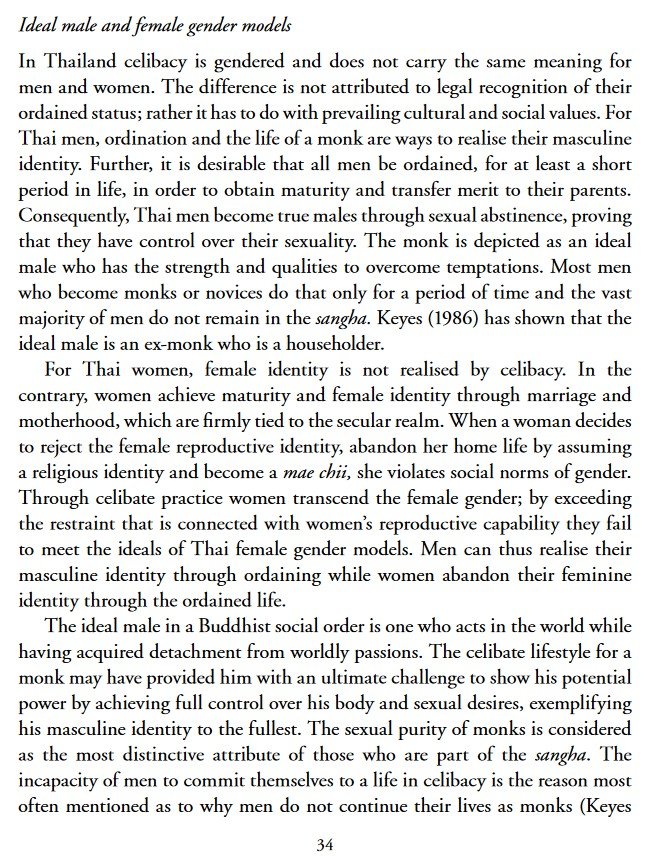
A few things about that fight. 1. ONE calls what they put on "Muay Thai", but it isn't Muay Thai. It isn't reffed like Muay Thai, nor scored like Muay Thai. It is sad that it is becoming a layman's reference for what Muay Thai is, around the world. I say this well beyond this fight. 2. I like Ramazanov a lot, for a non-Thai. To be sure. But he's just doing memorized switch steps advances and patterns over and over and over. It isn't really fighting, using your eyes, like any top Thai fighter does. There is no solving, no thinking, no seeing. It's hold your breath and throw your pattern, move. Hold your breath, throw your pattern and move. This is just not "fighting" in my view. 3. Petchmorakot is not near his prime. I didn't know his career when he was at Lumpinee, but at 25-26 and with the way he fights not really an accomplished fighter at this point. I know ONE wants to hype him as such, but he's just an uncomplex Muay Khao fighter, with very simple attacks. ONE likes to feature and hype fighters. Fighting outside of his career prime, and outside of stadium rules and judging makes him un-extraordinary. 4. Ramazanov in that fight didn't even understand how to close his open side to a southpaw. This is really something any 10 year old in Thailand knows to do. It's basic Muay Thai. If he had simply checked the rear kick, Petchmorakot had nothing. The absence of even basic defense vs southpaw just points up to serious deficits. 5. There is no way that Ramaznov wins that fight in full Thai rules. You don't get "points" for throwing a lot (you actually will lose points for it). The announcers themselves didn't even seem to understand Muay Thai rules proper. 6. An exciting win for Ramaznov, to be sure. Something to be proud of. 7. I'll repeat. It's sad that hybrid-ish representations of "Muay Thai" such as ONE are becoming representations of what Muay Thai is. I say this as a Ramazanov fan. I love watching him vs other non-Thais. But what I see him doing isn't really "Muay Thai" to me, or vision guided fighting. I never want to put a coach in a position where they feel like they have to defend or justify their training methods. Sounds like you've come upon a great compromise in making things work with what is available.
-
I'm very torn on this. I am 100% opposed to drill based fighting teaching, I think it's a cop out. Yes, there is a place for drills to be sure, and Thais indeed drill basics in the very young, but there is no expressive sport in the world where the elite, poetic fighters became that way primarily through drills. I say this though fully knowing that the west HAS to drill. It's in the very fabric of the business model of teaching. Drills are essentially mechanical abstractions of a living art, exported from that art, and put into an assembly line of a kind. Yes, the assembly line can and does produce working models of something, just like it can produce cars, or widgets, but the very act of abstraction, of mechanization for the purposes of duplicaiton, is killing the art of what Muay Thai is...in my opinion. As I say though, the west simply has no choice. It's like having to teach people how to play baseball in a land where no baseball fields exist. You can learn all kinds of "things" done on a baseball field, but if you don't have baseball fields you'll never really know what baseball is, or really have ever played it.
-
I like the way you put that. But...it should be thrown in there, often pretty huge weight advantages. Giving a power puncher 15 lbs or more in the ring is kind of what helped lead to that exaggeration. Give him a 10 lb disadvantage regularly and all those memorized combos would become fluff. I totally agree though that there is a serious challenge in teaching in the western context for Muay Thai coaches, and their gyms. The funny thing is though...it doesn't seem to have prevented the western world from producing some of the greatest fighters ever in terms of boxing. I really think that the problem is one of class. Boxing took its roots in the lower classes, and widely so, where fighting and its processes means something very different from the more usual middle class and even upper middle class targets of many western Muay Thai teaching scenarios.
-
off the cuff, crowd them often so memorized combinations are hard to pull off. Elbow, kickboxers hate it. Clinch, kickboxers hate it. Teep a lot, kickboxers tend not to be super experienced vs teeps.
-
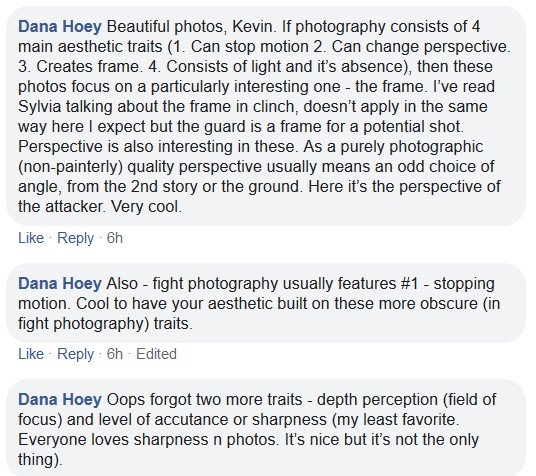
observations on this perspective by photographer Dana Hoey, on another platform:
-
This post cannot be displayed because it is in a password protected forum. Enter Password
-
Also The Camp in Chiang Mai, which is pretty expensive, but nice facilities I think will arrange a Language ED visa for clients. I'm not sure this is anything you can't do for yourself, but it is something I think they promoted this in their description: https://www.facebook.com/thecampmuaythai/
-
I've heard that Master Toddy's gym in Bangkok, and WKO gym in Pattaya have offered ED visas. Not 100% sure.
-
This post cannot be displayed because it is in a password protected forum. Enter Password
-
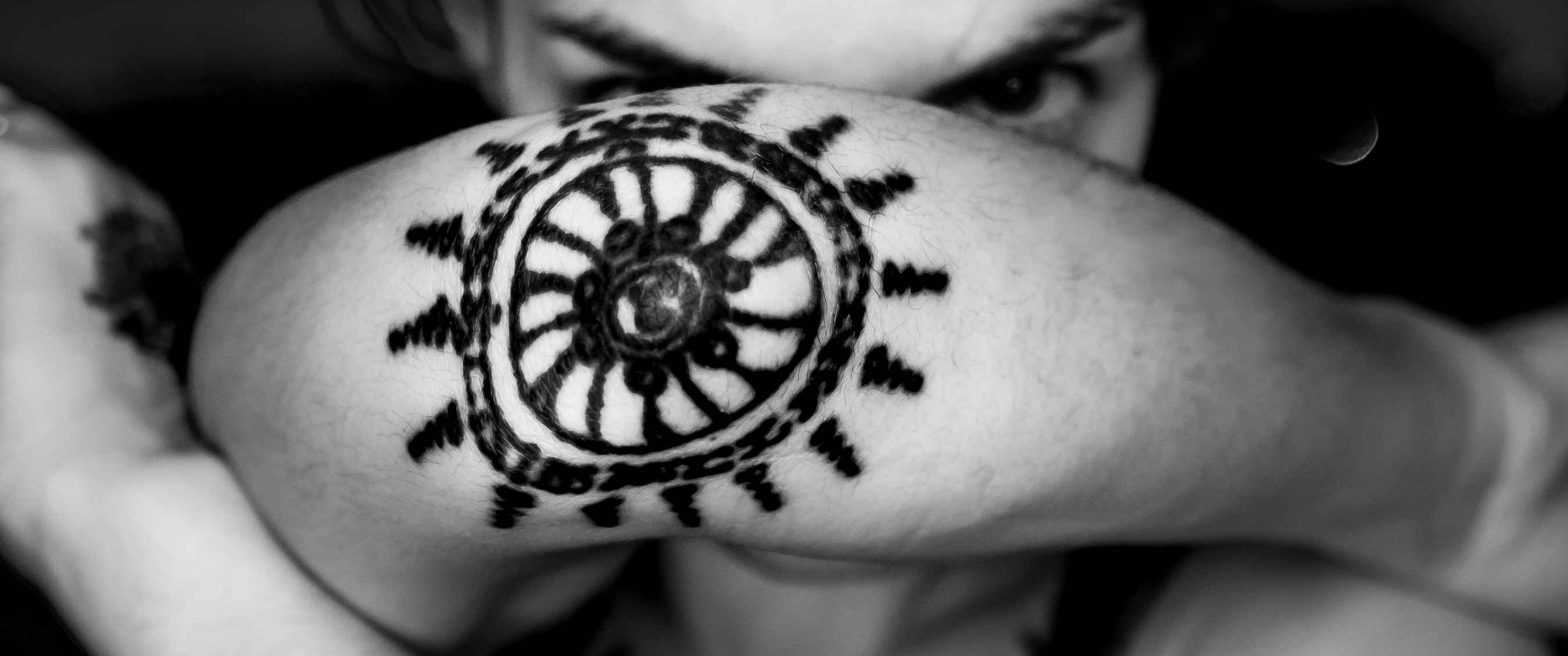
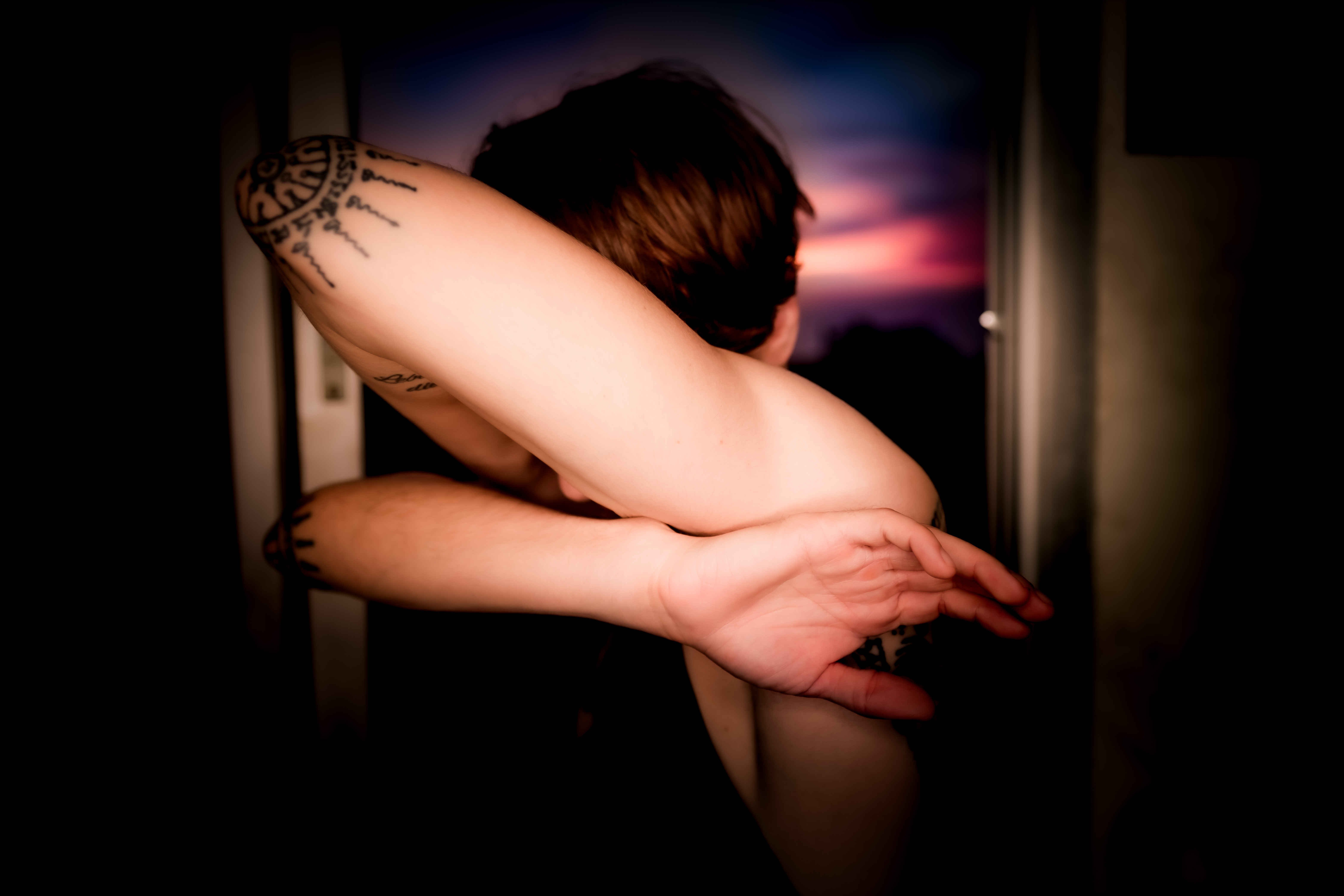
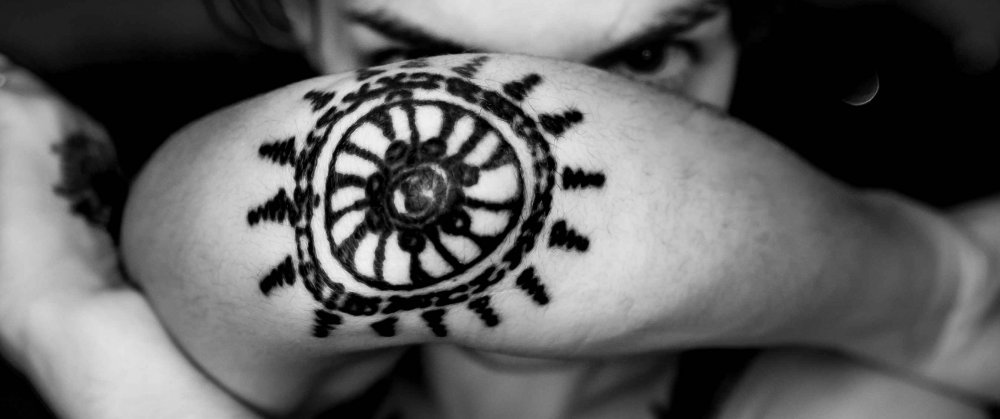
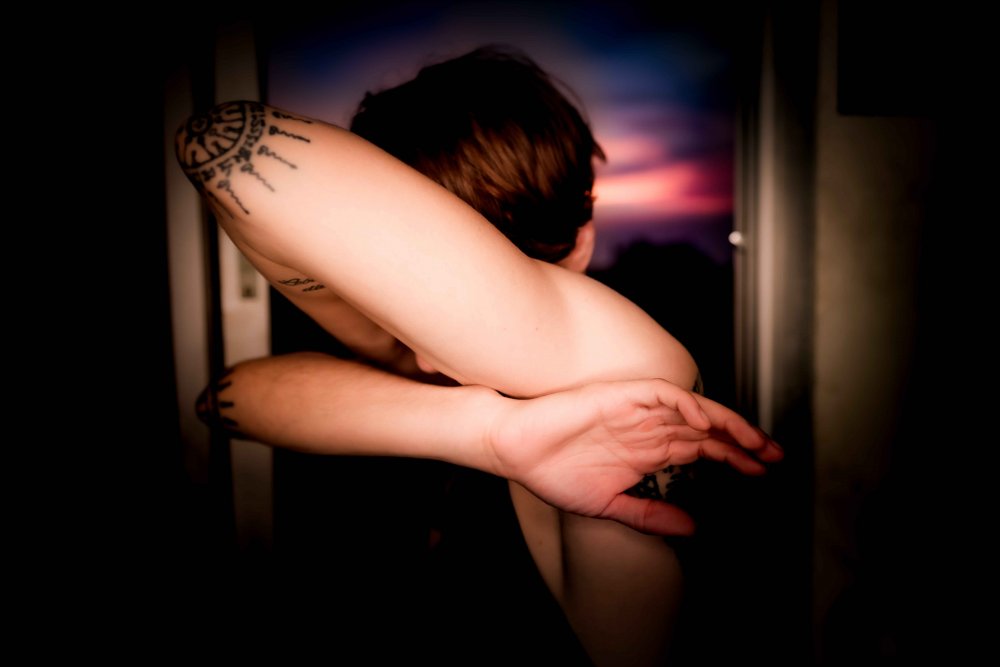
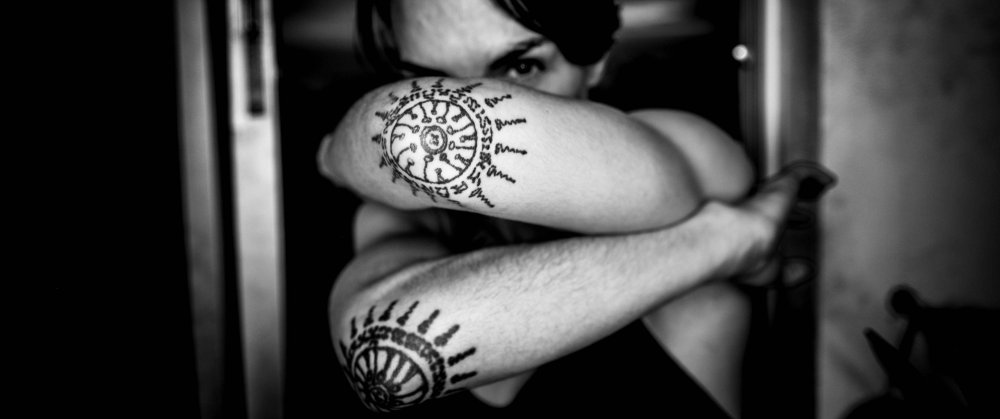
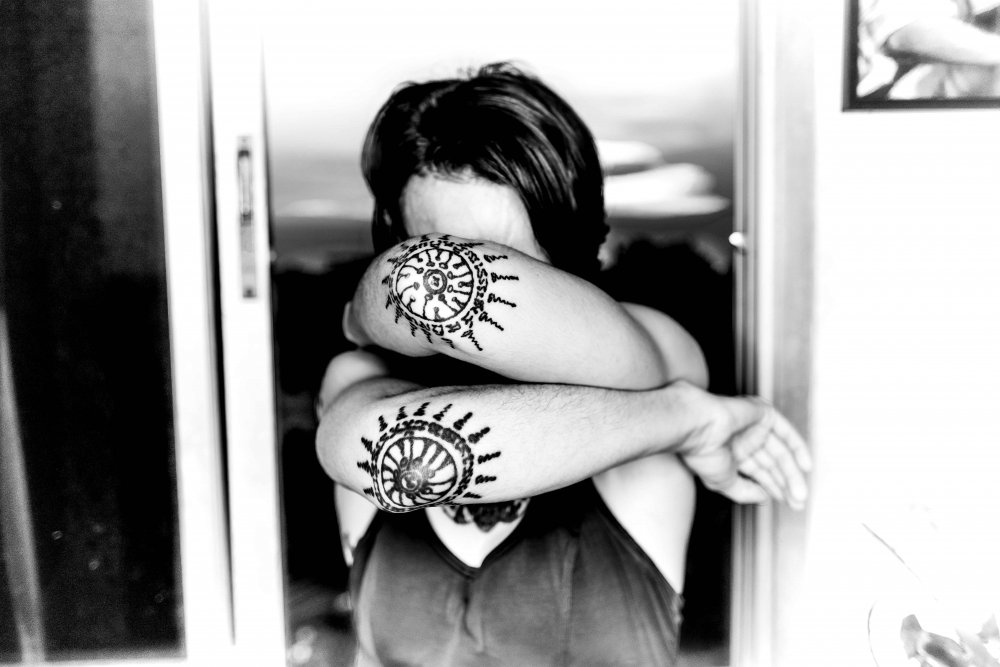
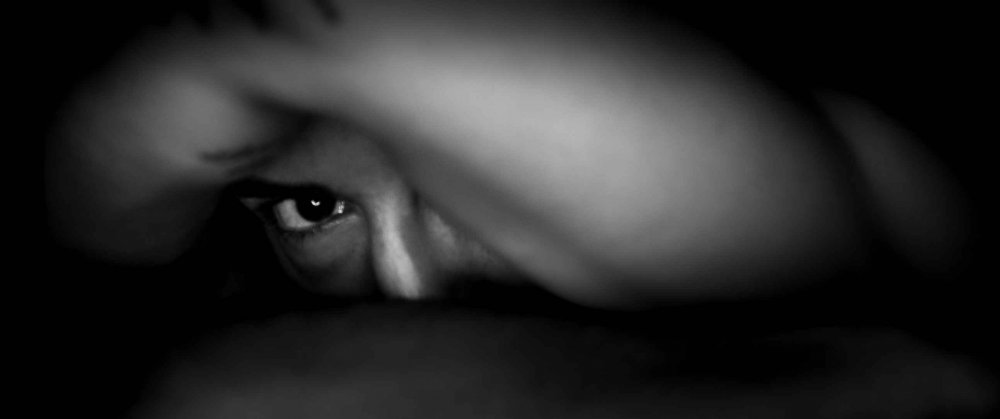
This post contains some of my photographic study of the Diamond Guard, a Muay Thai specific modification of an old western boxing guard often called the cross-armed guard, used by fighters like Archie Moore, Joe Frazier and George Forman. What I'm really interested in here is how photography itself can be used to explore a technique or a muay (a style), and the role that aesthetics plays in developing truly effective fighting skills and approaches. This is a particular interesting thought case because during the covid-19 shutdown Sylvie and I are working a great deal on this guard, something we would probably never do during regular training stints, and in many ways we are kind of making up its applications, and favorabilities, modeling them on Sylvie's muay as it already is trajectoried. Her Muay Khao forward advances, her drive to clinch engagements, the history of Muay Khao styles she models herself on. I shot these photos as a way of taking an aesthetic slice into the work we've been doing. What I'm interested in here is the way that aesthetics (or Aesthetics) - which often can be derided as the poor of a spectrum which holds "efficacy" on one end, and aesthetics on the other end - is actually the inflection point where the affective powers of the soul, the person, come to bear on the practicality of a technique. How it appears, what it feels like, what it communicates cuts into the shoreline of the Real of fighting. If one is to develop a defense, for instance, how it feels, what it expresses, what it looks like, may be vital questions for a fighter if one is going to reach the higher ceiling of one's capabilities, of its capabilities. Aesthetics, ultimately, allow the fighter to draw on the greater resources of the soul, the Self, to tap in a deeper poetry. And, this photo study is asking the question: What role can photography have in this?
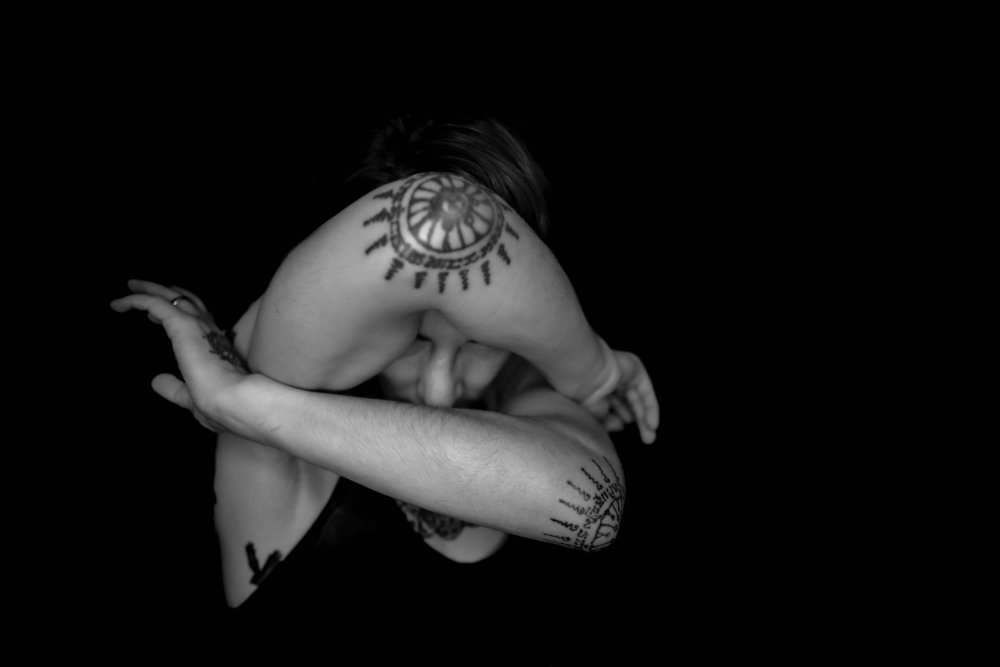
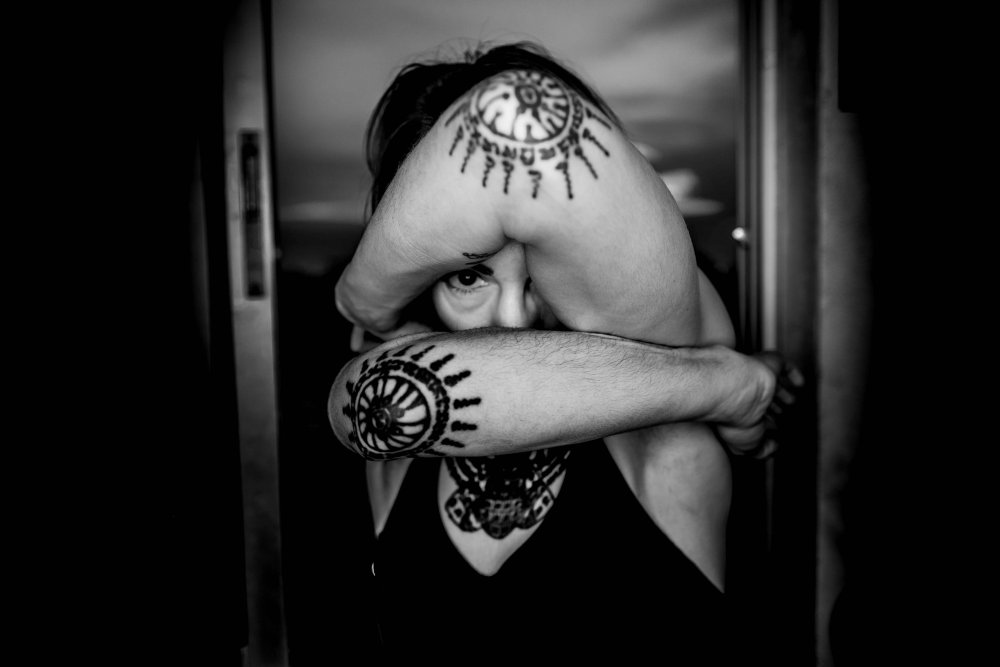
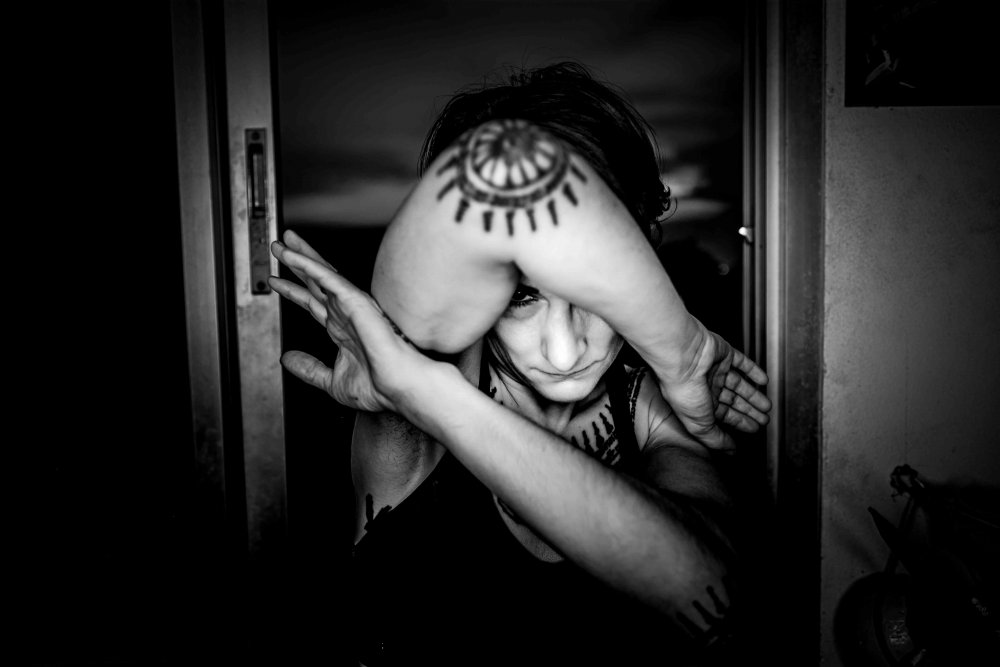
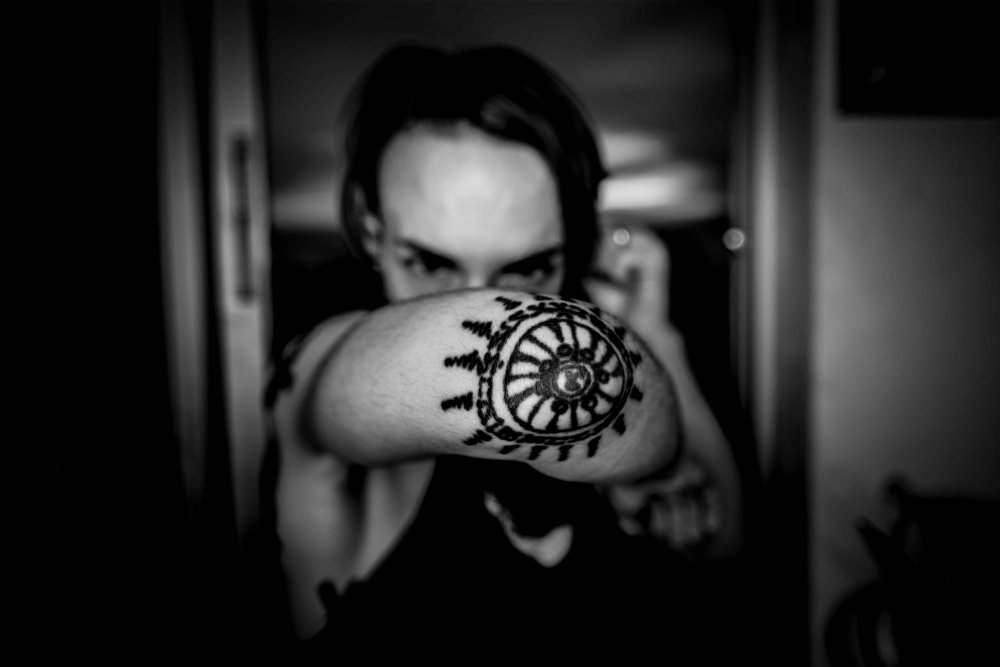
-
This post cannot be displayed because it is in a password protected forum. Enter Password
-
This post cannot be displayed because it is in a password protected forum. Enter Password
-
This is definitely true. Ideally, the supreme fighters, could move between styles. Fighters like Namkabuan and Namsaknoi for instance would fight a kind of femeu semi-aggressive style, and then go full Muay Khao in the 4th to lock fights away. Chumuakpet was definitely a Muay Khao fighter, one of the greatest, but when he fought a large Muay Khao fighter like Sangtiennoi, he fought almost all the scoring part of the fight backwards, in a femeu style. Other fighters of course really became locked into their style. Someone like Samson Isaan couldn't see himself dancing away in a fight. I remember him making fun of Karuhat saying that the femeu fighter was just flouncing about, and waving their hand "bye, bye" "bye, bye".
-
This post cannot be displayed because it is in a password protected forum. Enter Password
-
Yes. It's not that he didn't know how to lock, but westerners like his opponent were clueless on how to break the basic double plumb, so it made perfect sense to just have at it. This is very easy to counter that neck collar in most cases in Thailand, he could not get away with that in his home country. On the other hand, everything his opponent was doing in that fight, if elbows were permitted, would have ended very badly for him.
-
He did clinch, but he didn't lock, which is the Golden Age style of clinching. His latching hand is very sticky. I think if you see the clinch style of Langsuan, who does this to the extreme, you'll see the element of clinch I'm talking about, where you use grabs to redirect and attack, and not to immobilize. But, you are very right, clinch is not the primary part of his game. And you are also right that it is very likely nobody ever fought like him, before or since. He'd be categorized as a Muay Sok fighter (and Elbow Fighter), but know that these categories aren't real. They are just very loose descriptors. He was maybe generally a Muay Khao fighter (knee fighter who derns) who also used elbows to pressure, and open up his knees. Karuhat once told us he wouldn't be worried about Yodkhunpon's elbows, he'd worry about his knees. It should also be said, even though we in the west love him, his style is I think considered a very "low" style in Thailand, denigrated and without a ton of appreciation. Even to this day he is vastly underrated in Thailand. It is full of art and creativity, and really beauty. But many Thais can or could not see it because of biases about kinds of fighting, a style that elbows very heavily, and is relentless. You can hear Yodkhupon talk a little about Samson Isaan, and why he made his Top 5 list. This is somewhat the story of Yodkhupon as well. Samson's Muay was also not appreciated in his day:
-
These are really great question. Damn, I wish I knew. Hopefully some will pop on. I wonder what kind of screening would be involved. If the government will subsidize any plan or approach just to stabilize the situation, or if this is pretty much impossible at the moment, even world wide.
-
It feels like the one and only contest in western Muay Thai that is commercially, and perhaps socially underway is "who is the most authentic" (which fighter, which org, which gym....)? As long as that is the battle, nobody can really win. Even if you win as "most authentic" or "really, really real" you are set up against a broader background of "not authentic", you are in a field of in-authenticity. It feels like Muay Thai somehow got caught up in a Kung Fu cultural framework, when in fact it is probably much, much closer to boxing. It doesn't help that notions of authenticity and fake in Thailand are incredibly plastic, which plays into the authenticity paranoia from the west.
-
My answer, with a video reference, to another question may help:
-
This is really an unfortunate misunderstanding that has pervaded the western teaching of the Thai kick. As mentioned in the question above The Golden Kick really answers much of this. As one can see from this video of Karuhat's kick, there is no "turn over the hip!" at least in the way that it is often overemphasized by western coaches. This is how I answered a related question, as asked on Reddit: This is a really bad habit of western Muay Thai, and against high level fighters could be very exploitable. I have a fight in mind between a well-known western fighter (to remain nameless) who was absolutely undressed (vs another western fighter) in the most part due to his "picture perfect" overturn of the kick, leaving him out of position to defend himself (or follow up with strikes). Photos of this fighter for year have been appearing as a kind of Muay Thai porn, as if his kick was so "beautiful", when in fact this overturn is quite far from the real way high level fighters, especially from the Golden Age, usually kick. That's the first part of the question. The 2nd part is really interesting! There is a LOT of sloppy technique in these 50 kick, 100 kick pad burns. And, at least by my lights, some of that is pretty terrible. Hand position goes to shit, heads float, even by some Thais in Thai gyms. You are always training something, right? But...there is an interesting component of how these kicks just kind of float or pop straight up. Sometimes the padman really will angle the pad down, so you are even just kicking up, into the pad. What's really interesting is how much this violates the westernized "Thai" Roundhouse kick. All you are doing is practicing kicking up sometimes. How can that be good? What's cool is that this is creating a groove for the first part of the Golden Kick. This upward motion is not the complete Thai Kick, which does involve a last second whipping over (but not "turning over the hip" as the west really likes, an internal dynamic of up and whip that isn't included in a lot of these 50 kick speed rounds. I think it's best if you do try to whip that kick a bit, and if the padman doesn't just point the pad downward, (and if your hand positions get correct, and your chin drops down, while we are at it). But, the upward movement itself, the core repetition, which from western eyes might be all wrong, from the Thai side is probably grooving the first movement of the Golden Kick, which is really cool. This is Karuhat's Kick, for those that haven't seen it. He kicks uniquely, but he does present a really beautiful and in some ways ideal form of the kick, in terms of the rise and the hidden, sudden whip:
-
@Andrew you may find this hour long conversation of interest, on related topics or themes The Ethics of Muay Thai Propagation: Changing What We Love https://8limbsus.com/a-husbands-point-of-view/ethics-muay-thai-propagation-changing-love
-
Very, very much so. The Homeric depictions of warfare, characterizations of figures and personae fit very closely with what I intuit here. And the Ancient Greek concept of Thymos (which you sound like you would be familiar with, but for others this is a pretty decent breakdown of) I think presents a very productive mapping point between Thai traditional Self and maybe traditional/archaic western Self. I think for the Thai (ideally) and for the Homeric Self/ves, you have an affective self, but also the privileging of external "face" or appearance as Real. Not sure if you know the work of Giambattista Vico, but his notions of pictorial language, or the realism of figuration, at least for me, helps decode Thai sensibility toward performance, and Ruup. In Thailand's Muay Thai you have the regulation of the passions through affective balancing (Buddhistic) and symbolic presentation, instead of turning all those passions over to the rule of the Cartesian Subject.
-
It think this is something I put forward, and I think I kind of disagree a little with Sylvie's take here. I definitely put forward that we are talking about centers of the Self, which may not be Buddhistic in concept (ie, you would not teach "this is where the Self is"). I am describing where people in a culture locate the sense of Self, and this is reflected in the way a combat sport is scored, I argue. When you slap someone in the face, you are in a way "striking their Self". The face represents the Self in many symbolic ways, varying between cultures. A slap in the face with feel like it is insulting or injuring the Self differently in Japan than it will in Saudi Arabia than in California (I suspect), also depending on who is watching. And in the 18th century, perhaps much more so. It's not wrong to say that the Self is in some regards located in or on the Face. It's where we get phrases like "losing face" or "gaining face". There are other locations of the Self. The Heart for instance is widely regarded as a Self center point. Punches to the heart don't really seem to mean that much, but spikes driving through the heart, for vampires for instance, are seen as penetrating the core "Self" of the monster or person. And of course pangs in the heart, "heartaches" are some of the firmest centers of Self we talk about. I assume that this also varies between cultures. We have other centers of Self like the brain, or the head. Cutting off someone's head is in a way severing their Self from the rest (the face is up there too). But all this is to say is that in the arrays of Self centers, it strikes me that the Thais retain a more traditional location of Self in the gut. In English we have things like "gut feeling" and "you've got a lot of guts!", but traditionally this center of the Self in the gut, the spleen, was much stronger. In Ancient Greece this was a very strong location of Self (not the only one, but a core are vital one). My arguments about Thai Muay Thai scoring are that knees and kicks to the torso score higher because they culturally are read as hitting the Self, and injuring or weakening it. And that this is a traditional way of looking at the body. And that Thai audiences literally, affectively, experience such hits much more powerfully. They can "feel" the blows there in a way probably westerners don't. In the West it seems that these senses of Selves have migrated higher. We've lost the gut center more or less (a good gut punch and double over will still mean something severe, but on a daily basis we don't deposit our Self there much), and experience our Selves much higher. In the heart sometimes, but almost always in the head. We in the west lead with our head. And, it corresponds, it's why blows to the head and face (hey, we have a whole app that rules the world called Facebook), are scored so highly. We empathetically connect to fighters, and as audience experience blows or even touches to the head with more impact. I think we've lost some of the body mapping that allows Thais to experience lower torso strikes as much more substantive. At least that's my thinking on it.