Kevin von Duuglas-Ittu
-
Posts
2,291 -
Joined
-
Days Won
505
Posts posted by Kevin von Duuglas-Ittu
-
-
3 hours ago, Asger said:
I believe the muay femeu to be just as much affirmation and becoming, just as much force and will, as the muay khao, albeit in another aesthetic and narrative.
Yes, I would in no way suggest that Muay Femeu is reactive. The matador leads the bull. The whole point of Thailand's scoring biases is to affirm the control and dominance of artful imposition. What is interesting is that the classic pairing Muay Khao becoming and Muay Femeu becoming are in tension with each other, but also rest on a hierarchy of ascension. What is one to make of this really ideological and even politicized hierarchy? Is the Muay Khao fighter necessarily "lessor", and if so, on what anchored basis?
3 hours ago, Asger said:One must imagine the muay femeu happy. His work is not the negating of the opponent, but the affirmation of his own becoming in the face of an attempted domination of his own. Where the affirmation of Dieselnoi is a tsunami of becoming, the affirmation of the femeu is laughter. The muay femeu not only fights to express the superiority of his becoming, he turns the domination of violence into music, and so dances and laughs.
I like this.
-
Here is the great ideal hero Rama (Vishnu) in the Ramakien, perfectly balanced as if in repose, firing his deadly arrows. This is Samart and his dangle-arms:
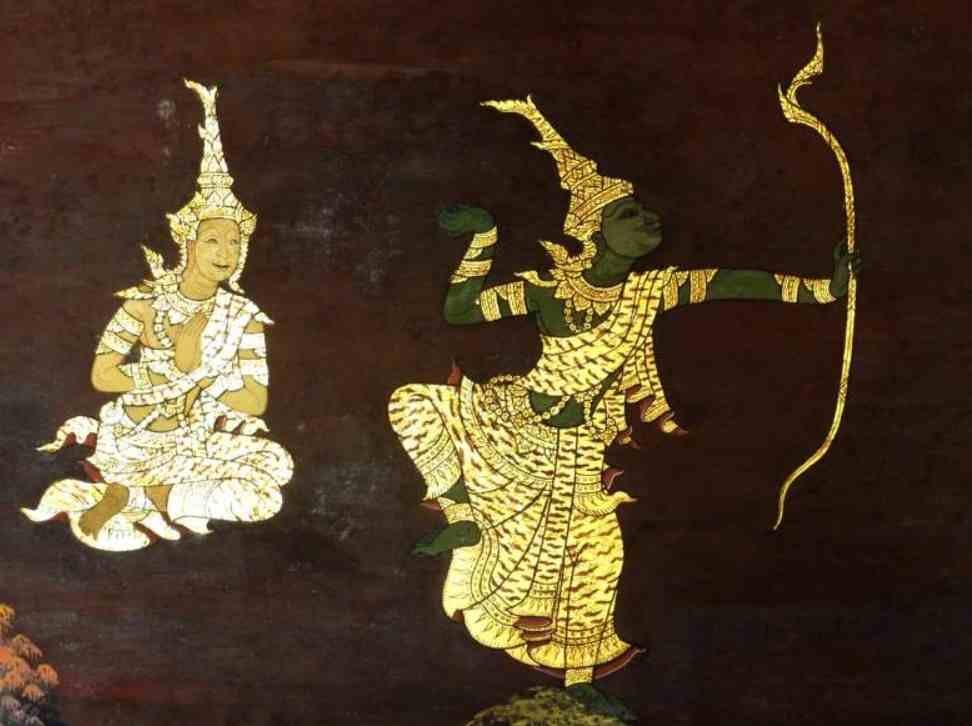
How does one balance out, or rectify the continuous becoming of Dieselnoi, that tragic joy of affirmation, which counters the "beast mode" of negation, and the Princely cancellation of "beast mode" clashing, found in the elevation of Samart and figures like Rama? Are these the twin, and perhaps irreconcilable philosophies of Transcendence and Immanence?
In this famous photo of Samart and Namphon, you have the princely transcendence of the future movie star Samart, and the bloodied Muay Khao man from a small Isaan town, cut by "intelligence" and "art" (I use these descriptions to bring out the dichotomy of judgement, not because they are real or fair). Ironically enough, Namphon's little brother Namkabuan would go onto to somewhat fuse these two aesthetics, the handsome, dashing technical fighter, and the relentless, explosive Muay Khao stylist:
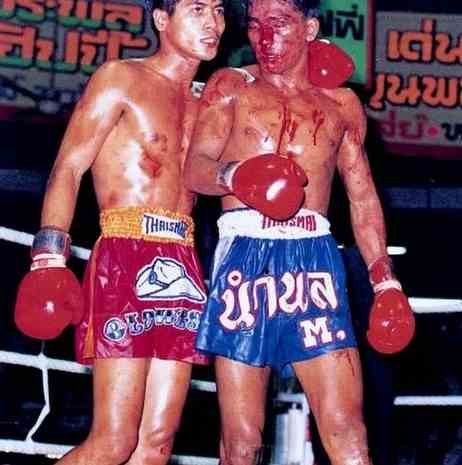
Interestingly, when we talked with Samart he told us, quite proudly, "I have never lost to Muay Khao" (despite losing quite dramatically to Dieselnoi). These are very loaded and powerful aesthetic judgements.
-
On 4/15/2020 at 1:38 AM, Asger said:
These reflections and the concept of Chon are at the core of what I love about muay thai. I believe it links to some of the ontology of Nietzsche that Deleuze lays out in Nietzsche and Philosophy. It is what separates the buddhist-traditional muay thai and the vulgar western beastmode muay thai, I believe.
The beastmode fighter commits himself to a burden that is negation of both men within violence, and the winner only stands out as the ''least losing'' of the two. It is a scene of pure survival that reduces men to dying animals. What is at the core of this is negation, which is the opposite of affirmation.
The nak muay of tradition could be said to embody the tragic of Deleuze; ''a logic of multiple affirmation and therefore a logic of pure affirmation and a corresponding ethic of joy. The tragic is not founded on a relation of life and the negative but on the essential relation of joy and multiplicity, of the positivity and multiplicity, of affirmation and multiplicity... Tragic - frank, dynamic, gaiety.'' What is at stakes in muay thai is the competing of two positives for the truth of their self-affirmation, and the result is determined by the excessive, overwhelming, truer, more beautiful and stronger nature of the bigger positive of the two.
I can really buy into this at a kind of fundamental level of philosophical critique of the west and "beast mode" negation. But...I might have some difficulty making the pure equation between "chon" and affirmation. I mean, when you write:
On 4/15/2020 at 6:51 PM, Asger said:Agreed! I always pictured Dieselnoi as the archangel of Dionysus; this massive embodiment of pure, raw, ecstatic force of overwhelming (becoming!) that upon his inability to express the fabric of his being ceases to want to exist. No one rivals the active force of Dieselnoi; he is just undeniable in a way that has epistemological implications, as the dionysian does in The Birth of Tragedy. His body is the articulation of that truth that is active force and of which science and consciousness knows nothing: ''What happens is that science follows the path of consciousness, relying entirely on other reactice forces; the organism is always seen from its petty side, from the side of its reactions... The real problem is the discovery of active forces without which the reactions themselves would not be forces.''
This discovery (discovery is always epistemological) is possible within a dionysian framework, and the body of the fighting Dieselnoi would be the domain of that undertaking: ''The body's active forces make it a self and define the self as superior and astonishing.'' Dieselnoi is the agent of the kind of nature that Nietzsche conceives as dionysian in BoT, this active force. Dieselnoi in the ecstasy of his fighting lets us see the truth of the active force; this bodily self is expression of pure force that is just irrefutable and which is all Dionysus.
I always thought a lot about something Sylvie has told of Dieselnoi, which is that he despised weakness of his opponents in the clinch, as if that weakness was something despicable in itself. To me this is also a declaration of his dionysian nature. The ''beast mode muay'' would welcome this as a break, a breather, a hole in the armor and thus an end to the burden of the fight and the reciprocal negation. But Dieselnoi hates this end to the chon, he hates the result; he wants the fight in its non-finality, in its becoming - the potentiality of the fight, the never ending waves of affirming life and active force. That is truly dionysian to me.
This really communicates a great deal of what you can FEEL off of Diesenoi when you are right there in his presence, to this day, a kind of tragic joy of affirmation. It's incredible. But, in Thailand there is also a kind of laddered critique of "chon" that is built into the scoring aesthetic, and the ultimate eternal battle between Muay Khao (chon, the bull) and Muay Femeu (su, the matador). What is so incredible about the Samart vs Dieselnoi fight, and finding it after all these decades, was how definitively the Muay Khao fighter just dismantled and broke the illusions of control of the fighter who is otherwise regarded as GOAT in style. In Thailand the Muay Femeu fighter, all things being equal, will always be more esteemed than the Muay Khao fighter. As Thais may say: Animals "chon" (clash), humans "su" (fight). So while there is a kind pan embrace of fighting "chon", there is also a scale on which it is judged.
I always think back to this fight between Samart and Namphon. Namphon was one of the better Muay Khao fighters of his day. We have only a highly edited version of the fight, but from this fight edit it is almost impossible for me to see where Samart won this fight. It is clear that he did, you can see the frustration and resignation on Namphon's face, but it looks like Samart just "dangle-armed" his win. He went into a theater of play and superiority, and this theater (and his reputation) just stole the show. (You can see Samart trying to do these same dangle-arm tactics in his loss to Dieselnoi and his final fight vs Wangchannoi, but where they just appear as lost attempts at dignity):
Samart in some ways is Vishnu, the conquering god who does not break a sweat, who with his lazily flung destructive arrows vanquishes demons. He embodies the "Bangkok" courtly Muay Thai that claims almost moral superiority to the Muay Khao, lower class clashes of the Muay Khao fighters of Isaan. He is princely. Almost all Muay Khao fighters have to fight against the stigma of just being "chon" fighters (low IQ, super strong and enduring, work animals). Dieselnoi has to explain how he was an accomplished, strategizing fighter. Chamuakpet is named "Mr. Computer Knee" to emphasize his intelligence. Elbow fighters have to use elbows artfully, and not with too much force or repetition (this is one reason why Yodkhunpon's career is vastly under appreciated by Thais, because he didn't). All of this is to say is that as much as Thailand celebrates a "chon" of fight culture, and an incredible tragic joy of affirmation, it also has a parallel path, a secondary channel, which overlays a story of transcendence, which also is quite hierarchical, political and ideological.
But, you see this not just in Thailand or Muay Thai. The same thing played out between the "working man" Joe Frazier and Ali in western boxing.
-
There is an additional observation or note when taking up the maturation process of Thai boys through Muay Thai, and monkhood regimes of self-control. And that is if we take them to be parallel developmental paths, it perhaps sheds light on something that has always mystified me. Former fighters who fall to drink, who become alcoholics, have serious social stigma attached to them, even from within the community. As a westerner this just strikes me as just another vice, common among any in the population...but alcohol in particular seems to have an excessive strain to it. For a long time I just took this to mean that alcohol in its history in the culture just developed certain associations. There are legends of the sport who just became slotted very low, socially, because of their functioning alcoholism. It never quite added up. But, if Nak Muay are held up and esteemed, in the art, in part because of the very same self-control values that monks are idealized with (by degrees), then the fall from grace, the contrast of control vs a lack of self-control, just might really feel morally stark. We think of these great fighters and are like: How can you forget with they were!? (and in a way, still are). But, if you had a great monk who then at a certain point didn't abstain from celibacy in a vivid way, you really would not be thinking back to what a great monk they once were. Instead you would just get a very strong feeling for the depth of the fall.
I'm not entirely sure about this, but it does lend itself to this analysis of value through displays of self-mastery and control. And the social shame that comes with falling from those states.
-
 1
1
-
-
1 hour ago, Oliver said:
Have met Europeans that bitch and trash talk (wait...can I say 'bitch' for 'complaining?)...
You look at them like.... errr.....YEAH mofo (see..didn't spell it out....)I know you are being cheeky, but just to be clear, it isn't actually the adult language, it's the part that begins....
6 hours ago, Oliver said:umm.... again...not trying to be an asshole here...
Usually, anything that begins "not trying to be an asshole" and then follows with profanity, well...you know, is lacking in tone. I'm just trying to keep it all cool. If you want to cuss, curse, bust out all kinds of language in a friendly way, go for it. Sylvie and I are pretty sailormouth when it comes to enthusiasm.
-
1
-
-
31 minutes ago, Sylvie von Duuglas-Ittu said:
If you get kneed in the guts and your body folds, your Ruup broke, but if you just carry on as if it doesn't matter and you keep coming, that's Ning.
To add to what Sylvie is saying: But, they are connected, because when your body folds, you can appear affected even if you don't show it on your face. So being really aware of your ruup, or disciplined in it, can help you appear to be ning. You can still be ning if your body folds, just in how your play it off, your continuity, your energy, not becoming mad, showing pain, or being hyper-aggressive (emotional control), but having great ruup supports the sense of ning.
-
1
-
 1
1
-
-
4 hours ago, Oliver said:
umm.... again...not trying to be an asshole here, but that isn't Muay Thai. Would rather suck a dick than train like that every day.
Really, let's be chill on the language/intensity. I agree, I have to shake my head at that training stuff, but we want to keep the forum super friendly. So many places on the internet are really uncool. And yeah, people have different approaches.
-
1
-
 1
1
-
-
2 hours ago, AndyMaBobs said:
It's not a curious way of describing it - it's just how they approach pad work. I won't assume to know your experience, but if you've ever had a thai trainer hold pads for you, or trained in Thailand, you will see what I mean.
I really hesitate to jump in here because you and I have very different frames of reference, and a great deal of what you assert just doesn't jib with what I know and experience, but I might as well give it a try... this just isn't what padwork is, or is for in Thailand. Yes, gyms that handle a lot of westerns do start molding padwork as a kind of simulated fighting...because they are westerners, and they often lack basic rhythm or responses...and, importantly, westerners like it. But this just isn't what padwork is for in the building of Thai fighters. Padwork, originally, was designed to "charge the battery" (as Kaensak put it) leading up to a fight. It's pounding out fighting shapes, building endurance and explosiveness. It isn't really a "teaching" mechanism. It's kind of become one for westerners, because gyms are changing, but this isn't what it really is for. Thais don't need to "simulate sparring", well, because they spar. If there are any teaching, or leading aspects of padwork, traditionally, maybe for developing fighters its about rhythm, posture, constancy, spacing, in the exercise of power and endurance. No, padwork really isn't "simulated sparring", at least in the core of it.
Westerners do experience this "simulated fight" quality in Thailand, and then bring it back to their gym and mark it as "very Thai". And, I do think that for westerners who do need a lot of developmental experiences, it's a very good thing to try and bring out the "fight" energy in their Thai trainer, who usually is an ex-fighter and probably pretty bored with their endless rounds. Its a very good thing. It's more fun, etc. But no, that isn't really the purpose of padwork, classically.
-
1
-
-
16 hours ago, Asger said:
The beastmode fighter commits himself to a burden that is negation of both men within violence, and the winner only stands out as the ''least losing'' of the two. It is a scene of pure survival that reduces men to dying animals. What is at the core of this is negation, which is the opposite of affirmation.
The nak muay of tradition could be said to embody the tragic of Deleuze; ''a logic of multiple affirmation and therefore a logic of pure affirmation and a corresponding ethic of joy. The tragic is not founded on a relation of life and the negative but on the essential relation of joy and multiplicity, of the positivity and multiplicity, of affirmation and multiplicity... Tragic - frank, dynamic, gaiety.'' What is at stakes in muay thai is the competing of two positives for the truth of their self-affirmation, and the result is determined by the excessive, overwhelming, truer, more beautiful and stronger nature of the bigger positive of the two.
I really don't mind the turn to metaphysics here! And I like how you picture "beast mode" as a negation, while traditional Muay Thai as an affirmation. There is something genuinely Dionysian I think about Thailand's traditional celebration of the art (and I suppose something of Apollo of course). It is that ascending spark, through the hierarchies of Being, or at least it feels like that. It is no accident that a Muay Thai fight begins with a dance.
-
1
-
-
On 4/13/2020 at 9:47 PM, Cysole said:
I would think it would be easier to just always looked tired even when your not but it probably not work for Muay Thai because of judging system style and cultural perspectives involved?
Ali played a lot with "just looking tired" in an exaggerated way, to buy himself time to rest, or to create dramatic reversals when he really hit the gas again. Instead of tired, great femeu fighters like Samart or Somrak instead look disinterested, or like they aren't fighting hard. They still have ruup, in the sense that they aren't staggering around, but instead they make it all look like it is effortless, and nothing is effecting them.
-
To follow more some of the essential idea proposed here, the study trades on the dichotomy or contradiction in that the spiritual emptiness and non-attachment of Buddhistic practice necessarily goes beyond identity (which is attachment), and therefore gender. The aim itself is toward genderlessness, while the social conventions which structure that practice are quite gendered and hierarchical. I would suggest that the very same thing exists in Thailand in terms of fighting. Thailand has a Fight Culture which celebrates fighting, or "chon" (clashing) in a pure sense. For this reason men fighting, children fighting, women fighting, chicken fighting, and even beetle fighting all participate in the same essential thing, the chon of spirit. You can check out Sylvie's articles on Bettle Fighting in the North to see aspects of this:
Muay Thai Clinch is Not Boring – Gwang Chon – Battle Beetles of Thailand - Part 1
Underground Gambling, Beetle Fights, Heart and the Clinch of Muay Thai - Part 2
These transcendent views are really part of the way in which Thailand can be very freeing for western female fighters. There is a real sense in which female fighters are just part of the chon of a universal spirit of battle, and that as long as the spirit is exhibited, it is celebrated.
A nexus point in a possible comparison between Thai Maechi and Thai Nakmuay Ying is the way in which there is an operative transcendent, gender-less apex of celebration, something which unites all participants, but also, a hierarchy of laddered social striation which can lead both also unreadable, or at least very hard to read.
-
2
-
-
All is good, I give you the last word.
-
I'm reading a really informative and well-written study of the Maechi (or Mae Chii) of Thailand, MAKING FIELDS OF MERIT Buddhist Female Ascetics and Gendered Orders in Thailand, you can download it here (300+ pages):
It details the field study of a class of women in Thailand who have devoted themselves to religious pursuits, vowing celibacy, taking on the ascetic life. They are often referred to as "nuns" in rough cultural approximation, and exist in a kind of no-mans-land of social status. Women cannot ordain as monks (Bhikkhunī) in Thailand, even though historically Bhikkhunī existed for centuries after Buddha established the order, largely due to a much argued over technicality in the laws of ordination. I'm not hear to discuss that dispute, but rather draw an compelling parallel between the struggles of religiously devoted women in Thailand, the female fighters as well. I am not making these equal ambitions, but suggesting that this study draws out facts about the Maechi struggle that shed light into the nature of Muay Thai and the deeper social significance it plays in Thailand's culture. In making the Maechai situation clear, some aspects of gendered Muay Thai also become clear.
I'm going to try and cut to the chase a bit, and not build out too much context. Maybe more context can be added in responses, or in a coming Muay Thai Bones podcast where it might be great to discuss this with Sylvie. I'm going to focus my thoughts on just two short passages. The first describes the "Ideal Male" in Thai culture, in the context of expected short terms stays in monk hood by most males in the society. And the second speaks of the dismissive position Maechi find themselves in, having renounced worldly attachments and devoted themselves to religiosity.
On the Ideal Male
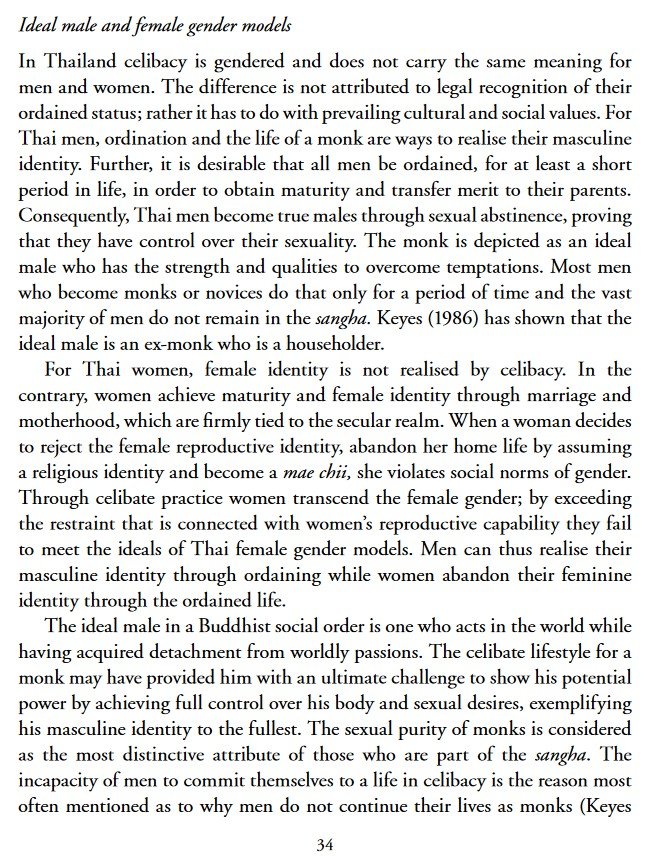
The key sentence for me is the last sentence of the first paragraph. The "ideal male is an ex-monk who is an householder". In the flow of society, the ideal male proves his ability to abstain, to have self-control --- for a short period of time --- than then assumes the householder position having proven, or graduated into adulthood. It is important that the author is making a kind of discrimination of what "ideal" means. In the stronger sense of ideality, monks in their life long self-control, form the ideal, but in a more connotative, practical sense, it is the process of touching upon that ideal, and then taking your place running a household, that is the ideal.
On the Non-Ideal Female
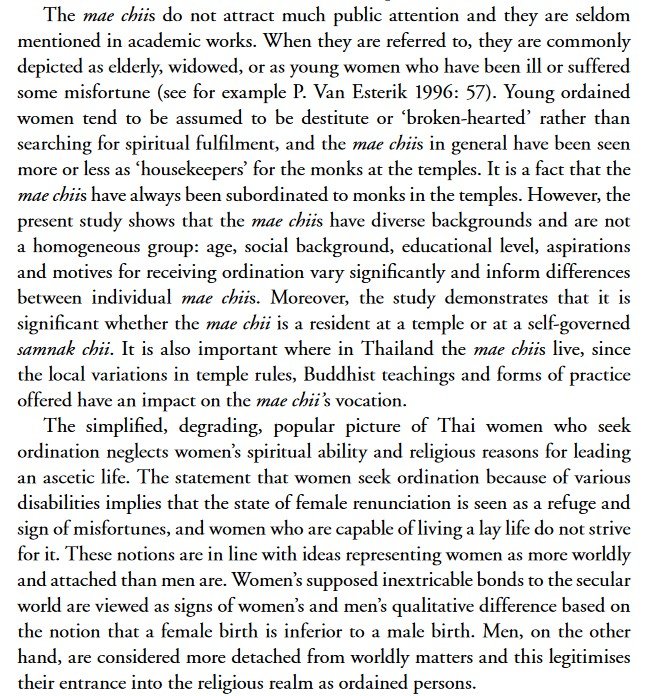
Here is where it gets really interesting, and indeed painful. While striving toward what one would assume is a genderless Buddhistic ideal, non-attachment and religious devotion, Maechi are actually downgraded and cast as social failures. They are, by a stereotype, heartbroken or destitute in some way, falling out of their gendered role, and simply taking the refuge of Buddhism (ironically enough, in the pledge you make to convert to Buddhism in Thailand you are asked to take the Sangha,the "Church" so to speak, as your refuge). While men are lauded for their self-control, even for a short period of time, Thai women can be doubted and even side-glanced.
The Maechi and Nakmuay Ying
This double standard as to devotion to self-control commitments, and assuming social roles plays out in very suggestive way when we shine the same light onto Muay Thai, not just as a sport, but as a social art of self-cultivation and individuation. To understand more on how the Nak Muay personifies some of the same values and experiences of monkhood for Thai boys and men, read: Thai Masculinity: Postioning Nak Muay Between Monkhood and Nak Leng – Peter Vail. It's enough to say that one of the main fabrics of Muay Thai, not only in it's aesthetic, but also in it's core coming of age experience, of boys becoming men, is the hypermasculine way it asks a fighter to embody self-control. This falls directly in line with the ideal of masculinity expressed in the passage into monkhood by Thai men. (And this is one reason why international kickboxing inspired "beast mode" fighting aesthetics being projected onto Muay Thai in Thailand are so painfully tearing at the very meaning of what Muay Thai is.) In any Muay Thai gym in Thailand that is raising young Thai fighters you are witnessing the same self-control project that is expressed through monk hood. In monk hood this self-control is perhaps quite widely stereotyped as sexual desire (though it is much more than this, of course), in the Nak Muay it is controlling the extremes of emotion (anger, tears at loss or physical pain, overt pride). These are both projects of control. Control yourself, then become a man. Young teen Thai fighters are also often denied girlfriends, and one of the reasons why females were kept out of traditional gyms is likely related to this same "self-control" project of personal transformation.
The question I'm opening up is found in the rough parallel between the fact that the same self-control project when taken up by Maechi (Thai female religious devotees) is not taken up as admired, or in some important sense of even having a home in society. Often the Maechi are seen as a kind of celibate "wife" of monks, cooking and cleaning at the temple. Her devotion to one of the highest, and theoretically genderless aims of human existence (which at the face of it will be admired in the abstract), becomes in a sense, unreadable. Part of this is there is no place for it. Women cannot become Bhikkhunīs (monks). They cannot take the place of recognition and institutional support that would make their devotion readable to the people. And, I hope this does not appear as too much a stretch, but Thai Nakmuay ying cannot fight in (or even touch) the National Stadia of Thailand. Thai female fighters can devote themselves to not only acquiring the skills and experiences that make them the best fighters in the world, but also steeping themselves in the same social conditioning, submitting to the same "self-control" inculcation that turns Thai boys into men, as Nak Muay - but, their accomplishments ultimately become unreadable against the backdrop of gender role expectations, in the family. The values of self-control that make up a great Muay Thai fighter in Thailand indeed become esteemed and admired, whether they appear in a young male fighter or a young female fighter, just as a devoted female meditation-ist, or a male meditation-ist would be esteemed and admired, but for each vocation there is no readable place for the female devotee to graduate to. There is no Lumpinee, there is no monk hood. And the reason for this, ultimately, is found in the way that Thai women are asked to relate to their desire, and the role it plays in society at large.
-
1
-
 1
1
-
-
2 hours ago, AndyMaBobs said:
That's how you can have an undersized fighter like Ramazanov outwork and outmanoeuvre Petchmorakot from the weight division above him.
A few things about that fight.
1. ONE calls what they put on "Muay Thai", but it isn't Muay Thai. It isn't reffed like Muay Thai, nor scored like Muay Thai. It is sad that it is becoming a layman's reference for what Muay Thai is, around the world. I say this well beyond this fight.
2. I like Ramazanov a lot, for a non-Thai. To be sure. But he's just doing memorized switch steps advances and patterns over and over and over. It isn't really fighting, using your eyes, like any top Thai fighter does. There is no solving, no thinking, no seeing. It's hold your breath and throw your pattern, move. Hold your breath, throw your pattern and move. This is just not "fighting" in my view.
3. Petchmorakot is not near his prime. I didn't know his career when he was at Lumpinee, but at 25-26 and with the way he fights not really an accomplished fighter at this point. I know ONE wants to hype him as such, but he's just an uncomplex Muay Khao fighter, with very simple attacks. ONE likes to feature and hype fighters. Fighting outside of his career prime, and outside of stadium rules and judging makes him un-extraordinary.
4. Ramazanov in that fight didn't even understand how to close his open side to a southpaw. This is really something any 10 year old in Thailand knows to do. It's basic Muay Thai. If he had simply checked the rear kick, Petchmorakot had nothing. The absence of even basic defense vs southpaw just points up to serious deficits.
5. There is no way that Ramaznov wins that fight in full Thai rules. You don't get "points" for throwing a lot (you actually will lose points for it). The announcers themselves didn't even seem to understand Muay Thai rules proper.
6. An exciting win for Ramaznov, to be sure. Something to be proud of.
7. I'll repeat. It's sad that hybrid-ish representations of "Muay Thai" such as ONE are becoming representations of what Muay Thai is.
I say this as a Ramazanov fan. I love watching him vs other non-Thais. But what I see him doing isn't really "Muay Thai" to me, or vision guided fighting.
2 hours ago, AndyMaBobs said:Those 1,2,3 kick type of drills, for me, only serve the purpose of getting the fighter comfortable with the movement and becoming defensively responsible.
I never want to put a coach in a position where they feel like they have to defend or justify their training methods. Sounds like you've come upon a great compromise in making things work with what is available.
-
3 hours ago, AndyMaBobs said:
This has influenced how I approach teaching the martial art. You do drills like this with me and focus more on core defensive and offensive concepts, and then put them into practise sparring.
I'm very torn on this. I am 100% opposed to drill based fighting teaching, I think it's a cop out. Yes, there is a place for drills to be sure, and Thais indeed drill basics in the very young, but there is no expressive sport in the world where the elite, poetic fighters became that way primarily through drills. I say this though fully knowing that the west HAS to drill. It's in the very fabric of the business model of teaching. Drills are essentially mechanical abstractions of a living art, exported from that art, and put into an assembly line of a kind. Yes, the assembly line can and does produce working models of something, just like it can produce cars, or widgets, but the very act of abstraction, of mechanization for the purposes of duplicaiton, is killing the art of what Muay Thai is...in my opinion. As I say though, the west simply has no choice. It's like having to teach people how to play baseball in a land where no baseball fields exist. You can learn all kinds of "things" done on a baseball field, but if you don't have baseball fields you'll never really know what baseball is, or really have ever played it.
-
2
-
-
5 hours ago, AndyMaBobs said:
While the efficiency of the dutch in stadium muay thai is greatly exaggerated, Ramon Dekkers was competitive against fighters with far more in ring experience and training experience thanks to that method of learning.
I like the way you put that. But...it should be thrown in there, often pretty huge weight advantages. Giving a power puncher 15 lbs or more in the ring is kind of what helped lead to that exaggeration. Give him a 10 lb disadvantage regularly and all those memorized combos would become fluff.
I totally agree though that there is a serious challenge in teaching in the western context for Muay Thai coaches, and their gyms. The funny thing is though...it doesn't seem to have prevented the western world from producing some of the greatest fighters ever in terms of boxing. I really think that the problem is one of class. Boxing took its roots in the lower classes, and widely so, where fighting and its processes means something very different from the more usual middle class and even upper middle class targets of many western Muay Thai teaching scenarios.
-
1
-
-
off the cuff, crowd them often so memorized combinations are hard to pull off. Elbow, kickboxers hate it. Clinch, kickboxers hate it. Teep a lot, kickboxers tend not to be super experienced vs teeps.
-
1
-
 2
2
-
-
observations on this perspective by photographer Dana Hoey, on another platform:
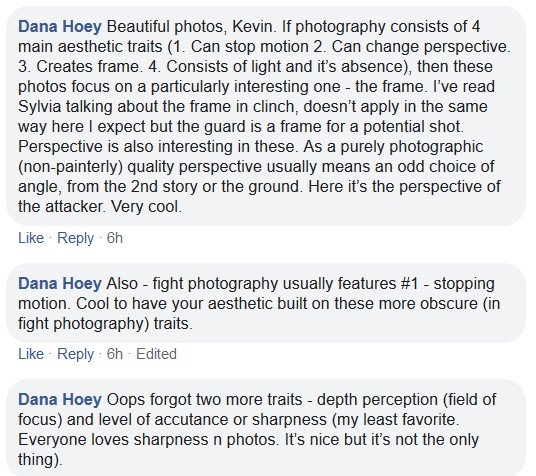
QuoteBeautiful photos, Kevin. If photography consists of 4 main aesthetic traits (1. Can stop motion 2. Can change perspective. 3. Creates frame. 4. Consists of light and it’s absence), then these photos focus on a particularly interesting one - the frame. I’ve read Sylvia talking about the frame in clinch, doesn’t apply in the same way here I expect but the guard is a frame for a potential shot. Perspective is also interesting in these. As a purely photographic (non-painterly) quality perspective usually means an odd choice of angle, from the 2nd story or the ground. Here it’s the perspective of the attacker. Very cool.
Also - fight photography usually features #1 - stopping motion. Cool to have your aesthetic built on these more obscure (in fight photography) traits.
Oops forgot two more traits - depth perception (field of focus) and level of accutance or sharpness (my least favorite. Everyone loves sharpness n photos. It’s nice but it’s not the only thing).
-
1
-
1
-
-
Also The Camp in Chiang Mai, which is pretty expensive, but nice facilities I think will arrange a Language ED visa for clients. I'm not sure this is anything you can't do for yourself, but it is something I think they promoted this in their description:
-
I've heard that Master Toddy's gym in Bangkok, and WKO gym in Pattaya have offered ED visas. Not 100% sure.
-
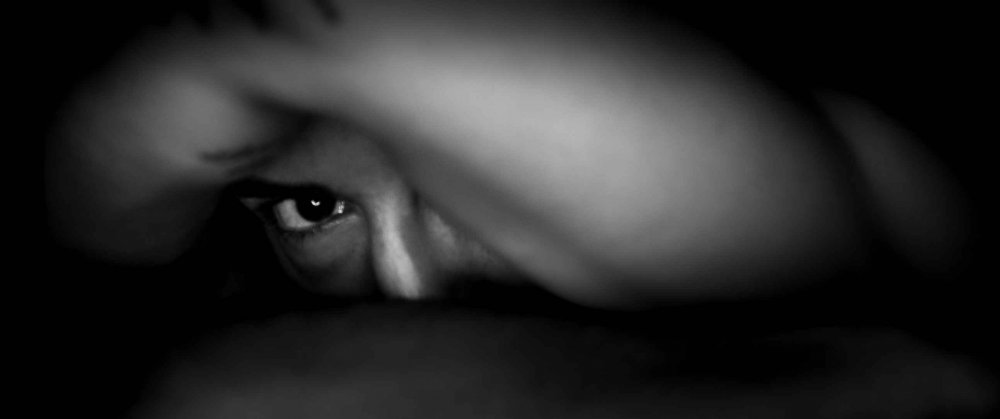
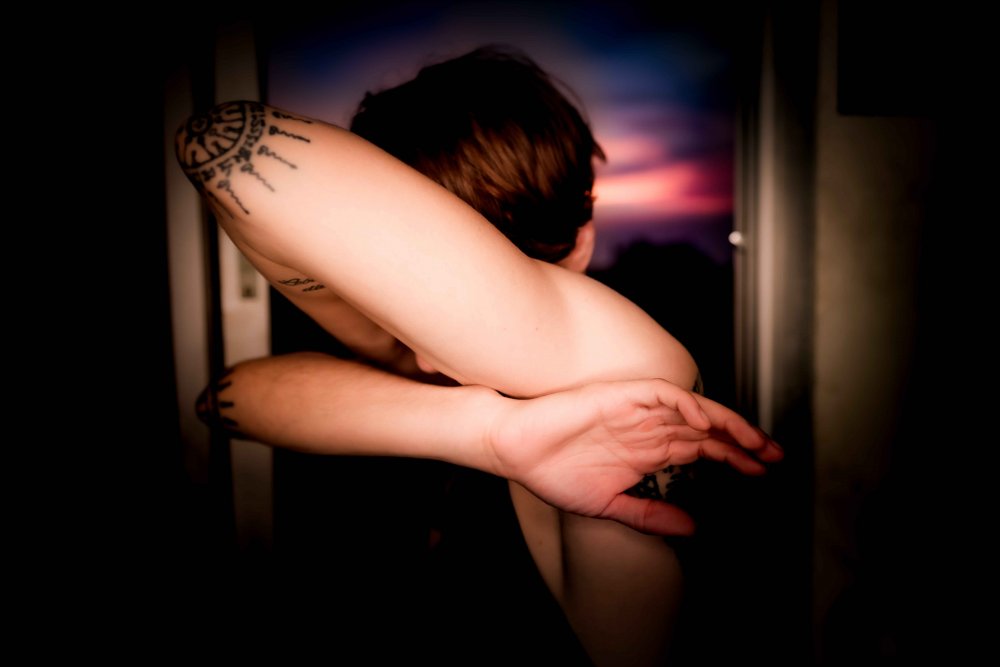
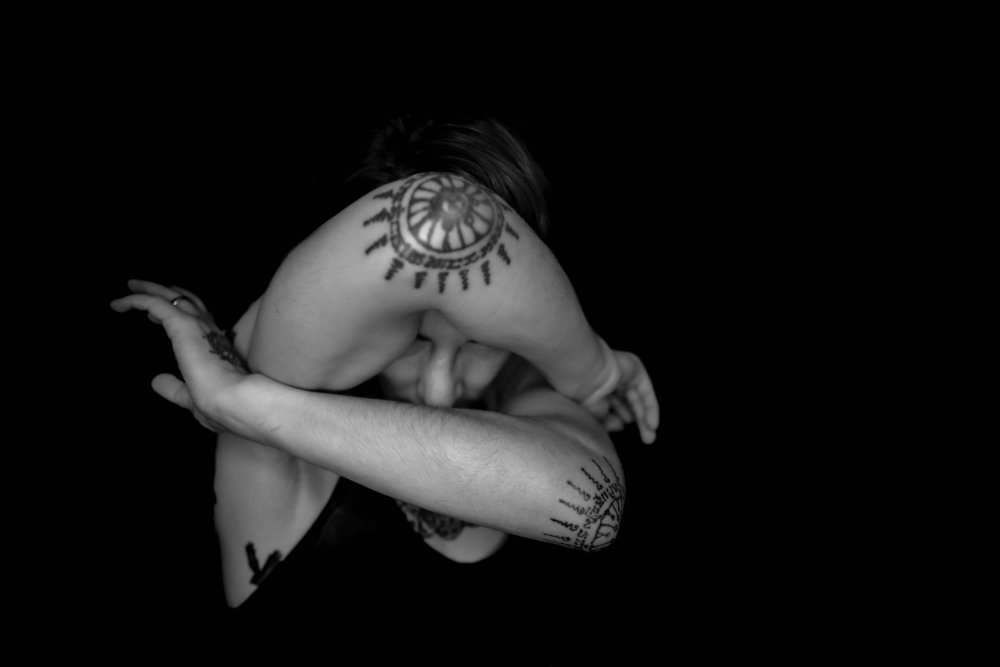
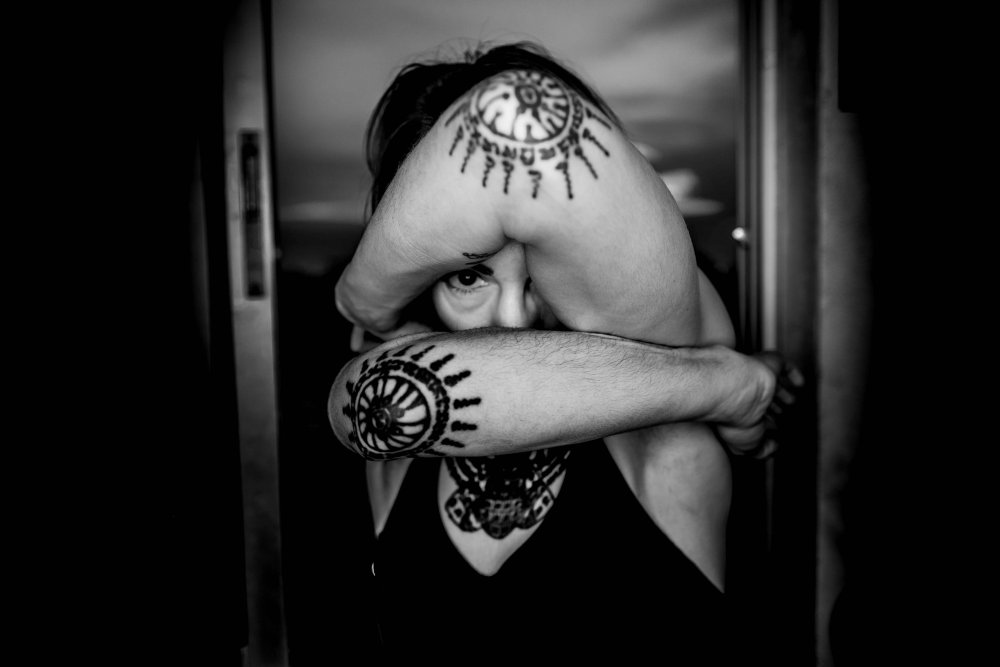
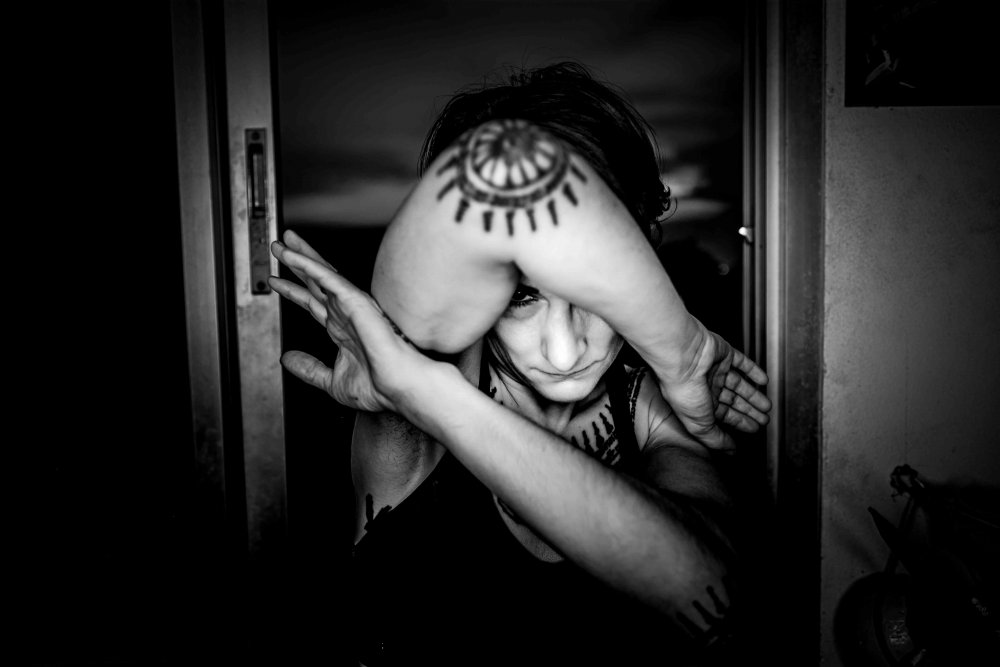
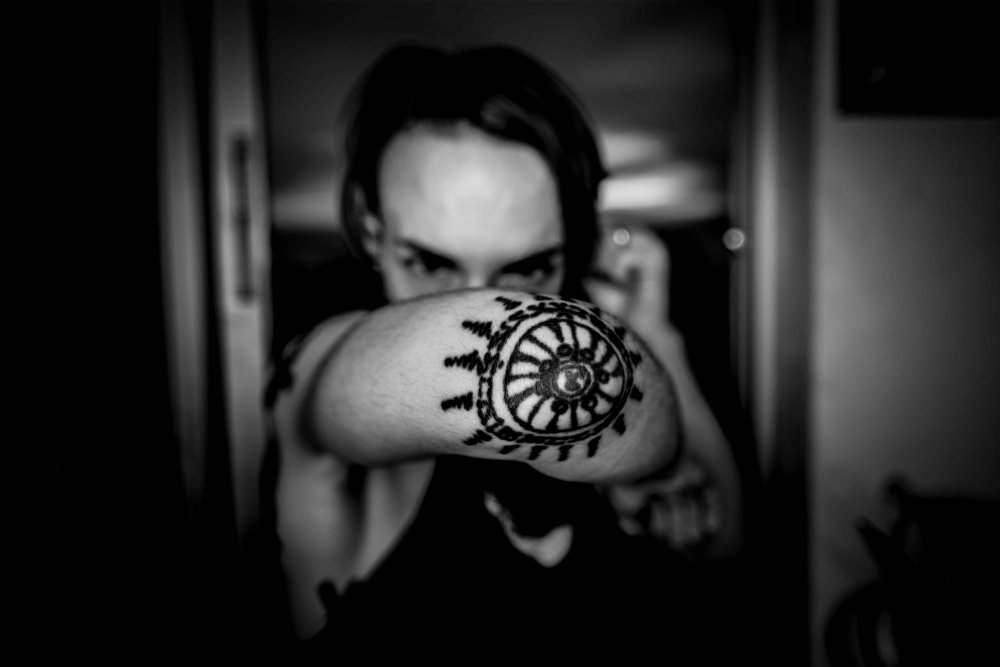
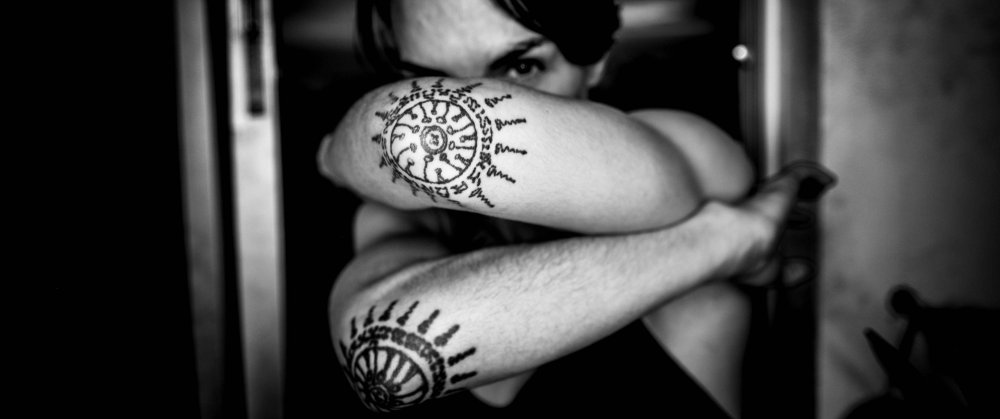
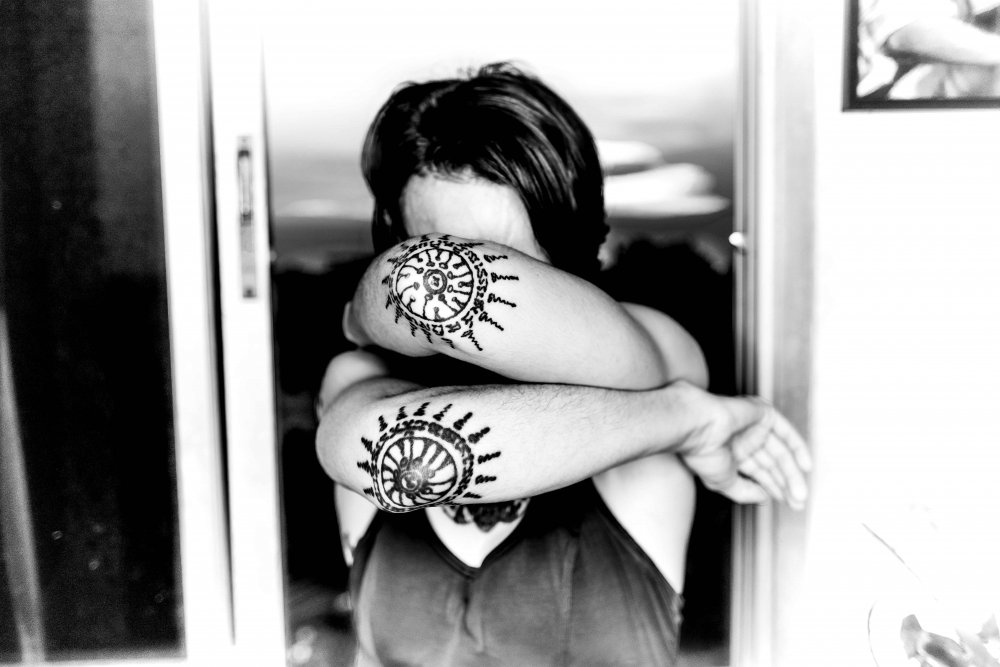
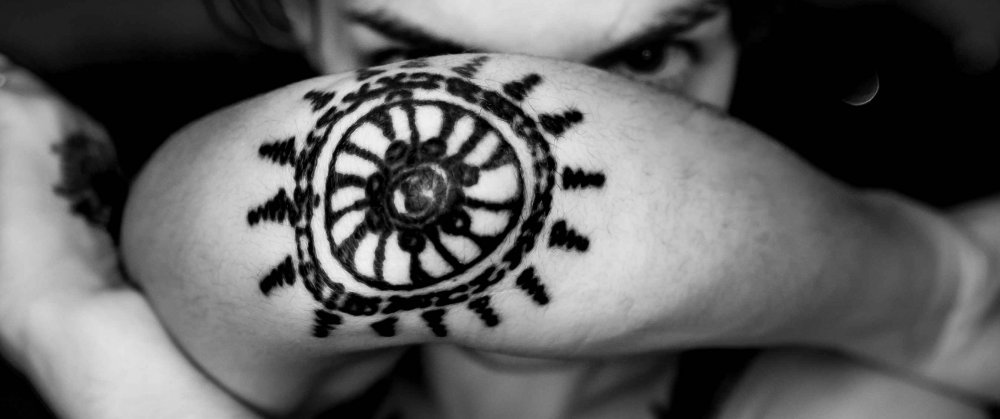
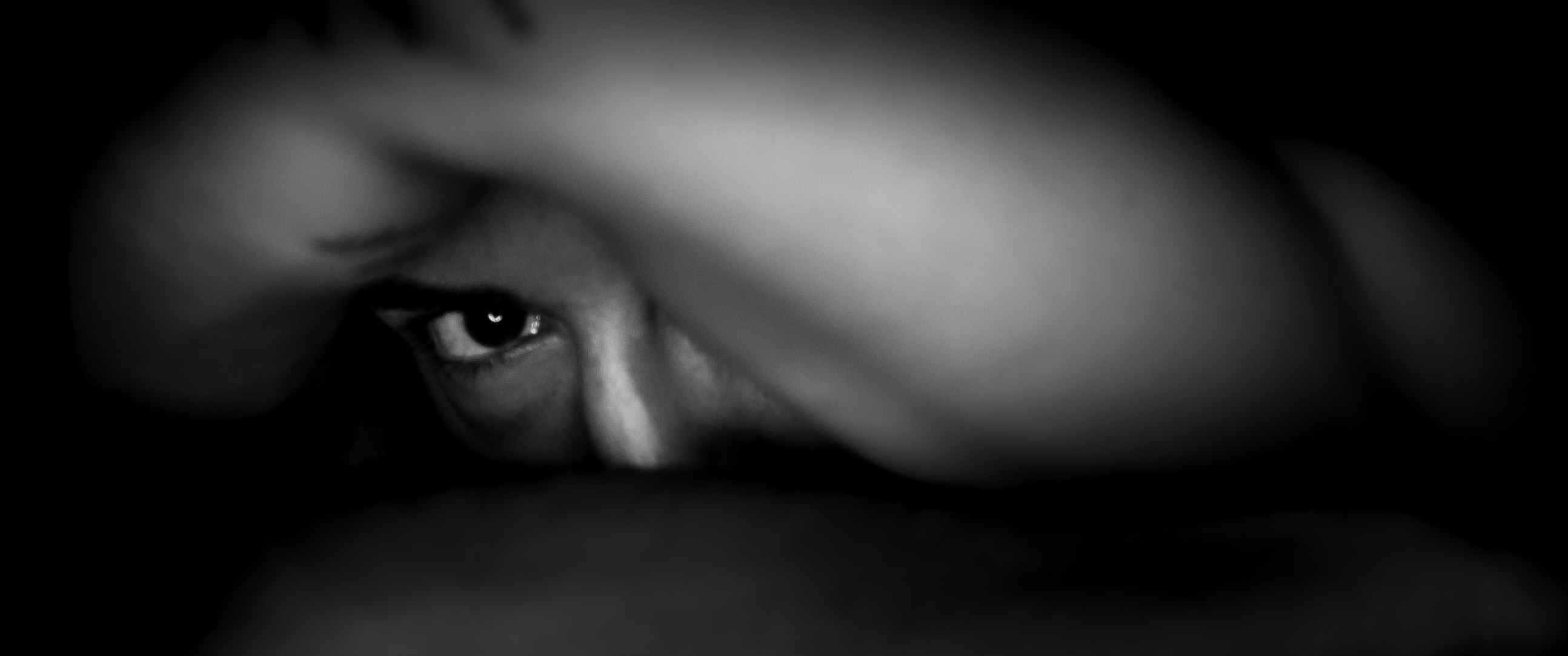
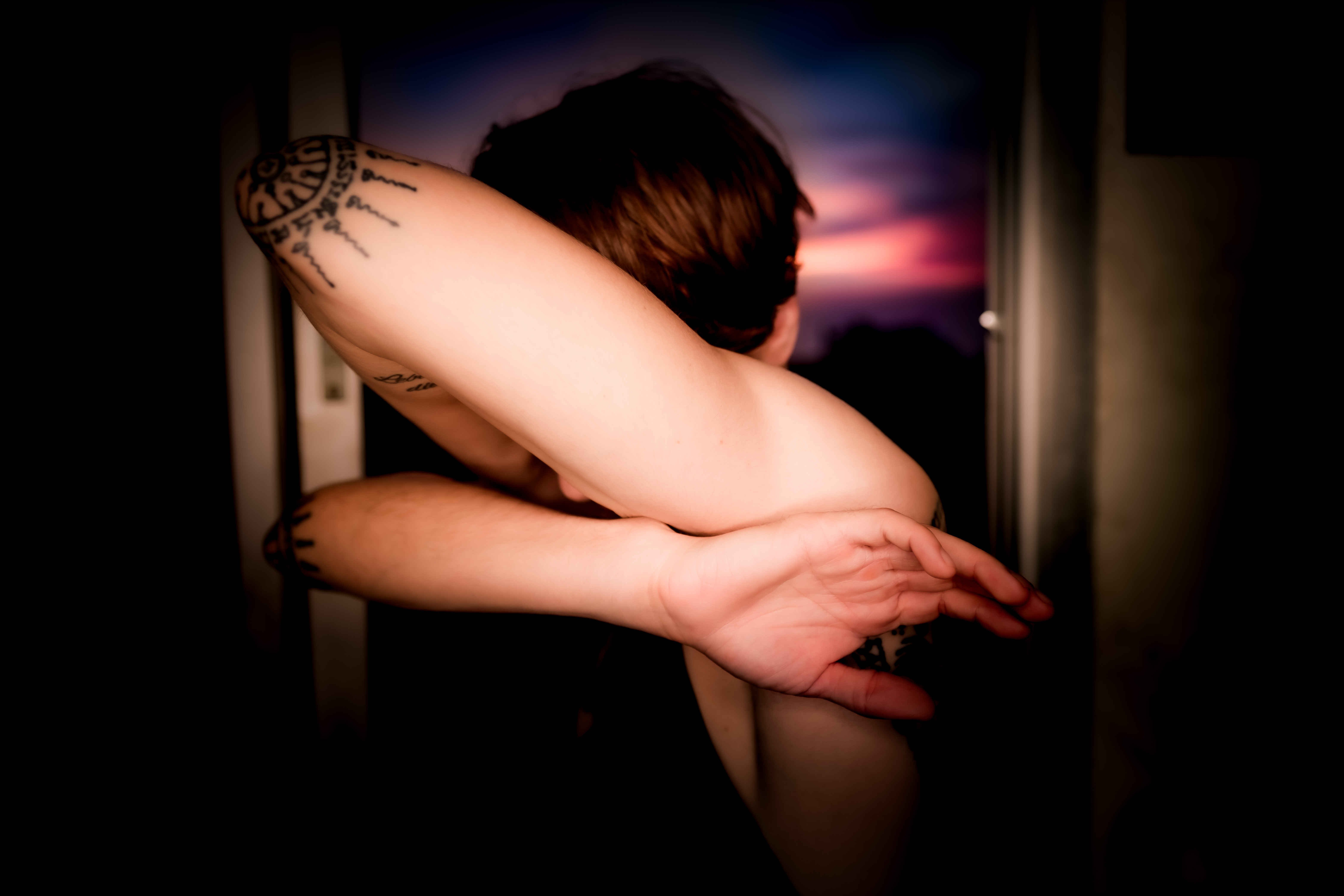
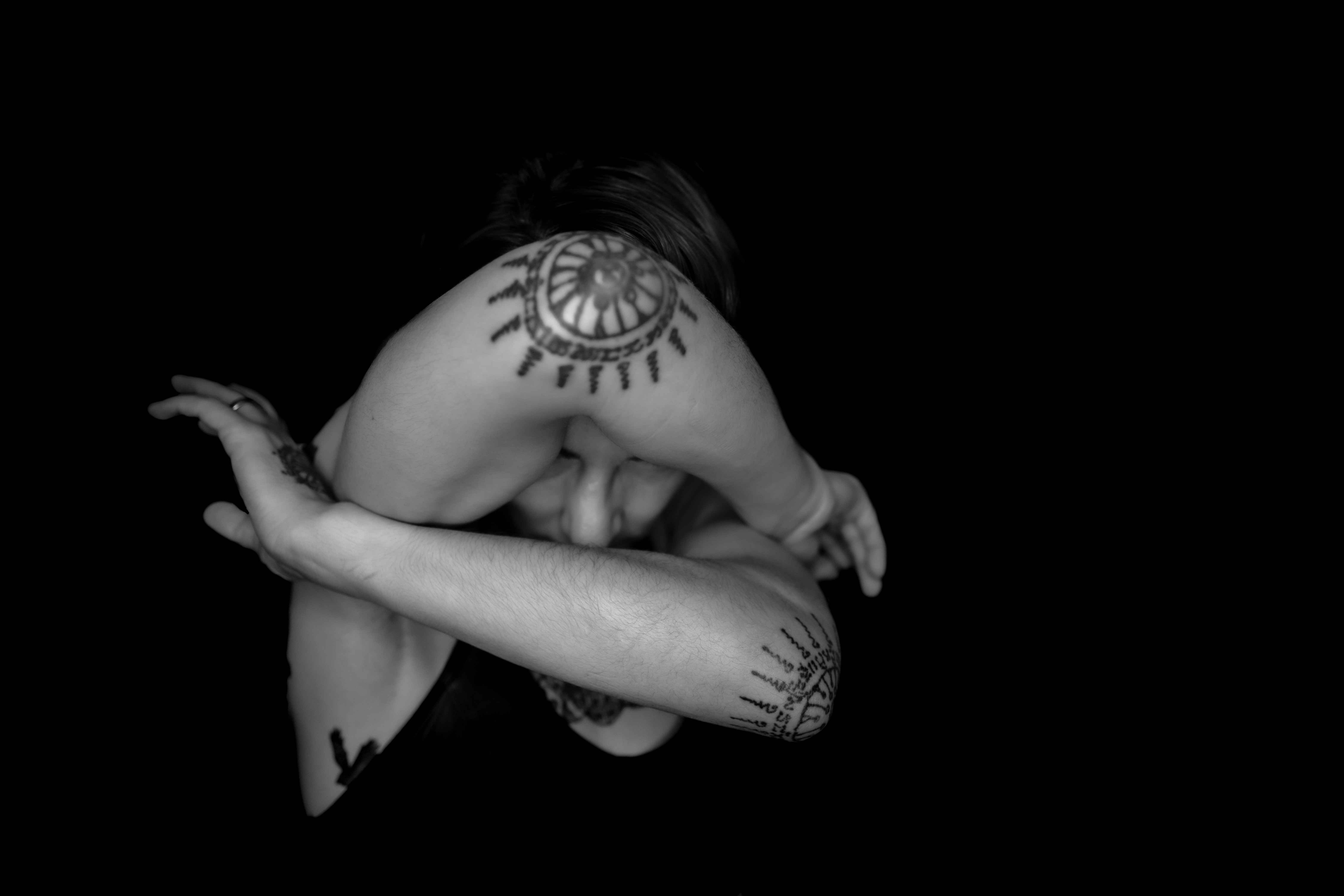
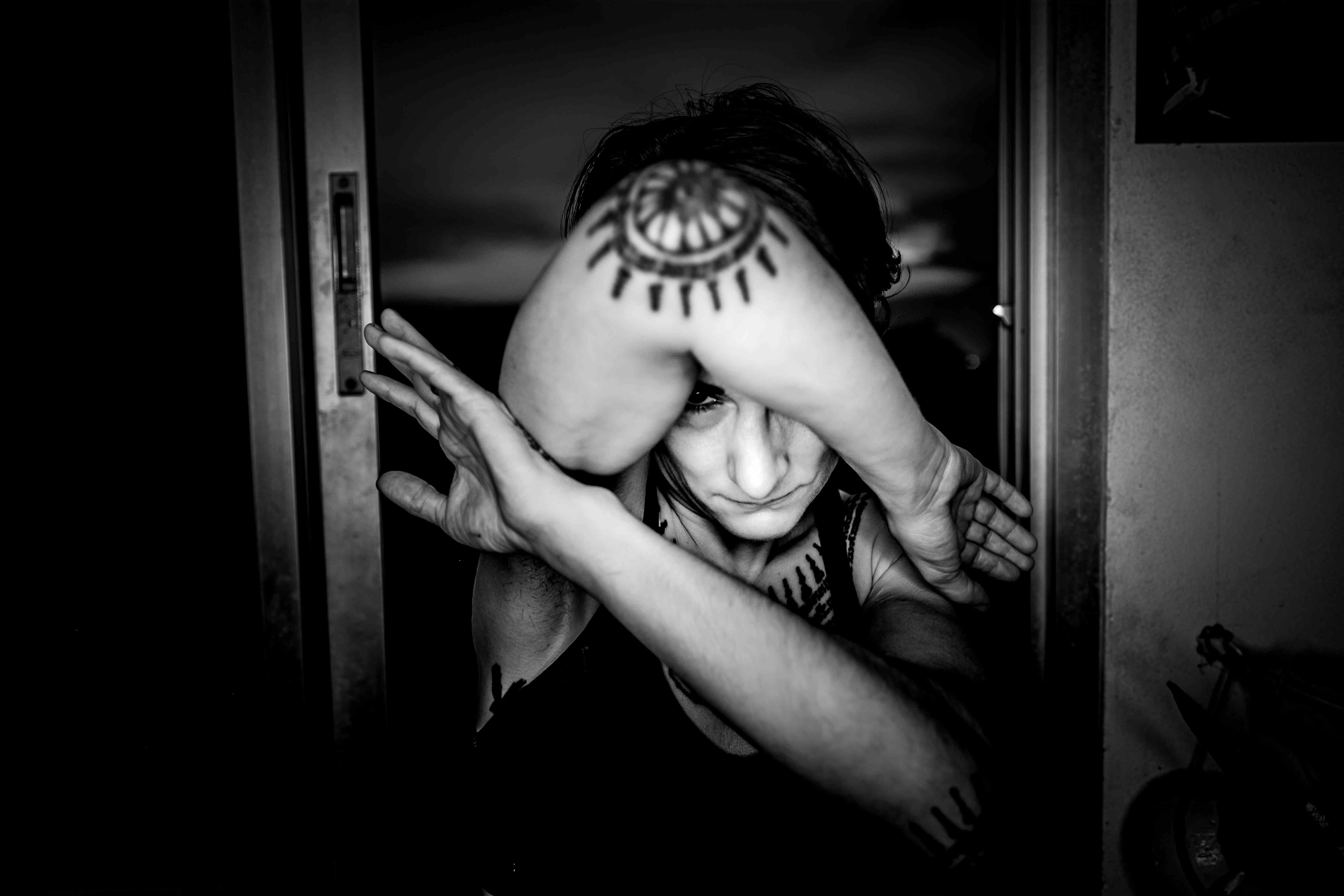
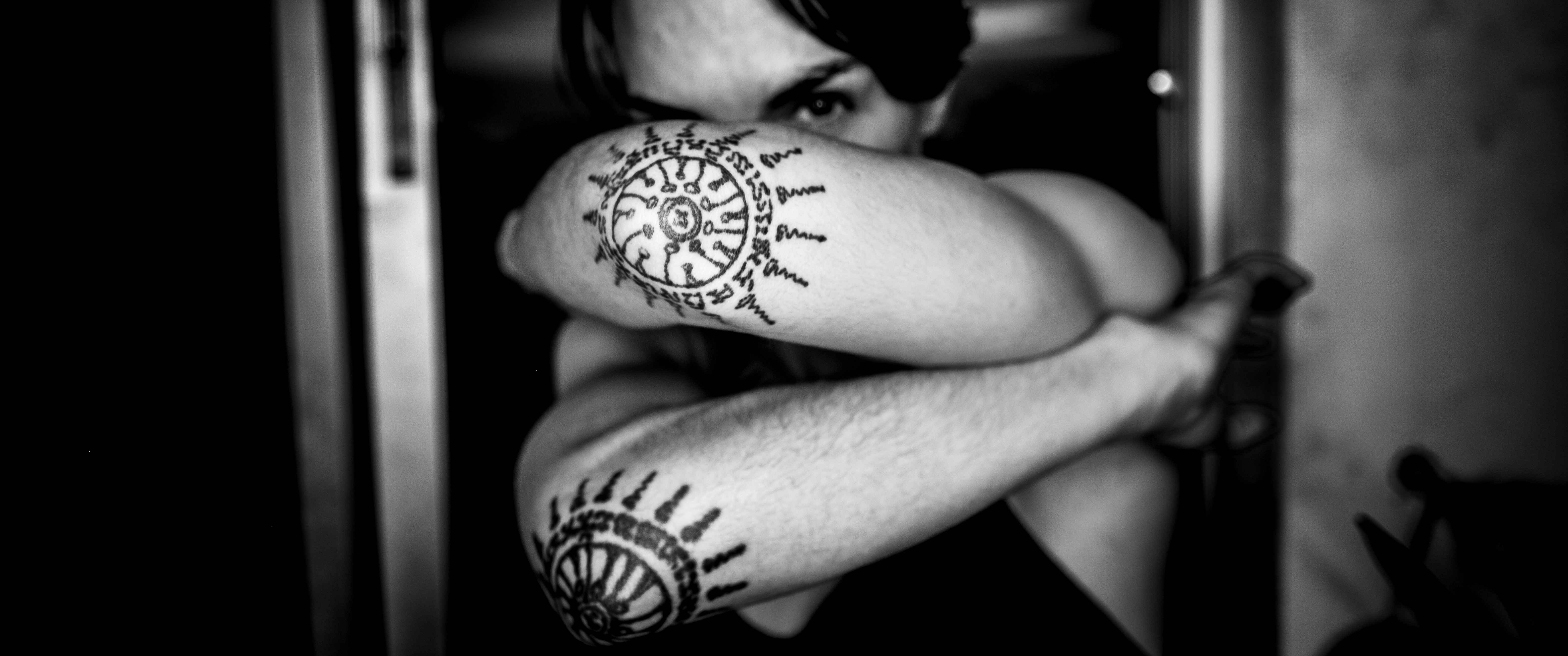
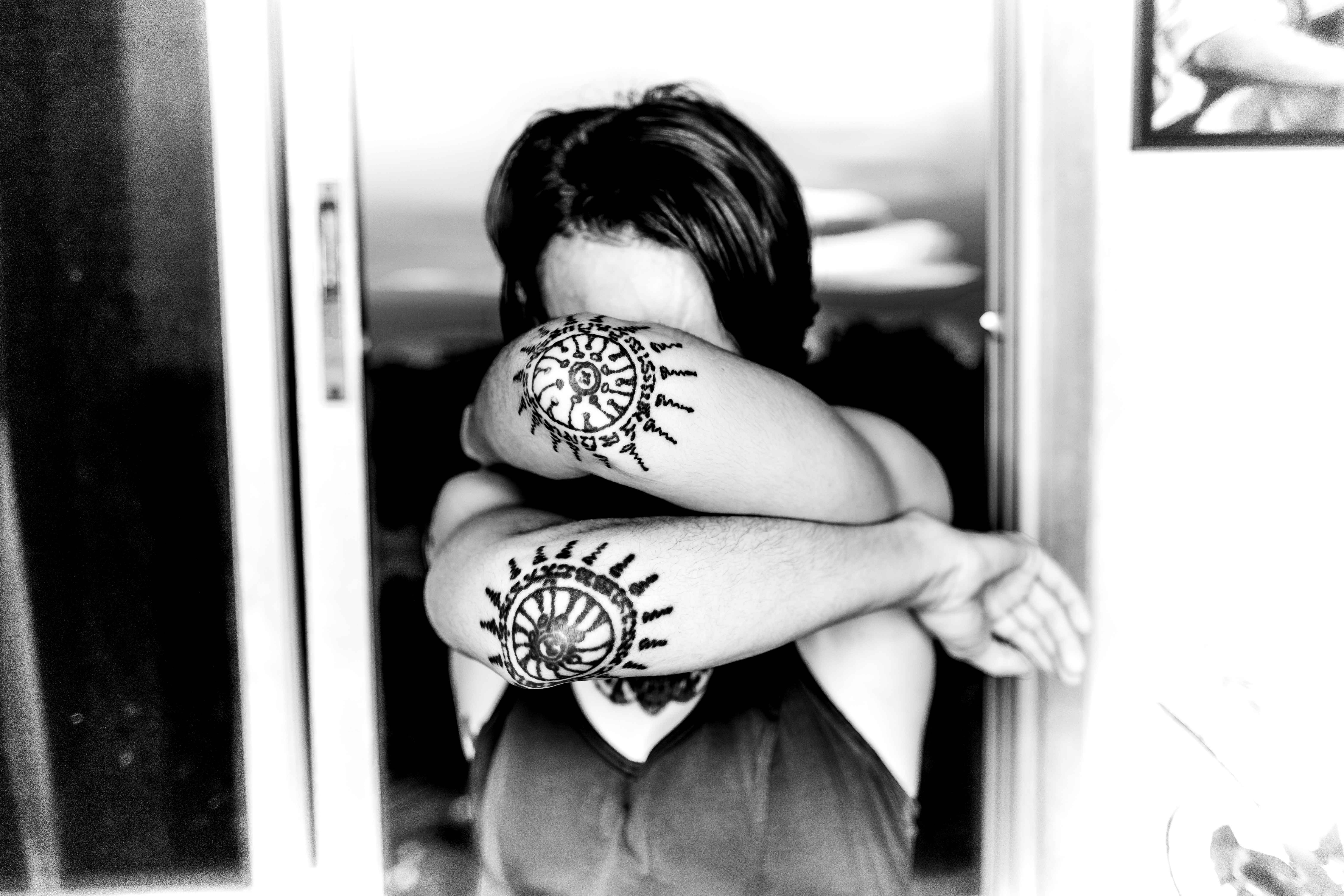
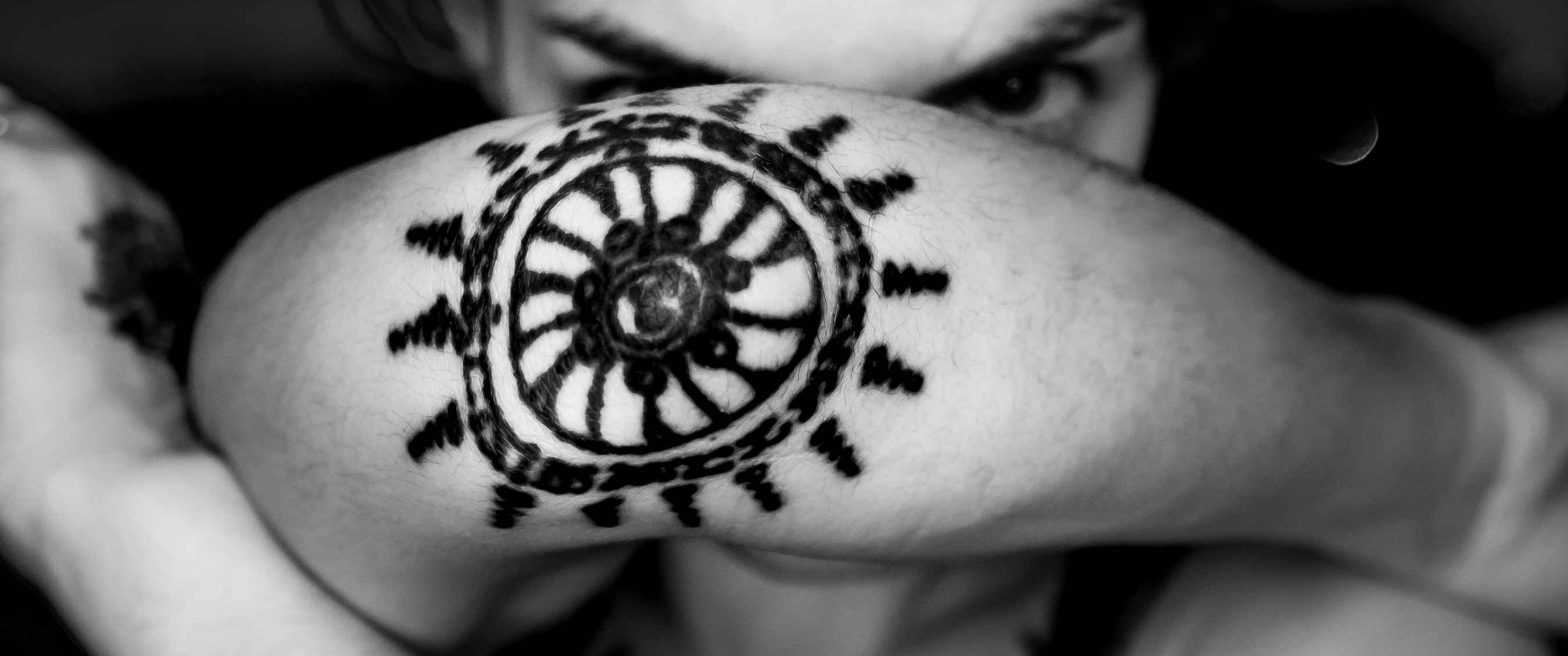
This post contains some of my photographic study of the Diamond Guard, a Muay Thai specific modification of an old western boxing guard often called the cross-armed guard, used by fighters like Archie Moore, Joe Frazier and George Forman. What I'm really interested in here is how photography itself can be used to explore a technique or a muay (a style), and the role that aesthetics plays in developing truly effective fighting skills and approaches. This is a particular interesting thought case because during the covid-19 shutdown Sylvie and I are working a great deal on this guard, something we would probably never do during regular training stints, and in many ways we are kind of making up its applications, and favorabilities, modeling them on Sylvie's muay as it already is trajectoried. Her Muay Khao forward advances, her drive to clinch engagements, the history of Muay Khao styles she models herself on. I shot these photos as a way of taking an aesthetic slice into the work we've been doing. What I'm interested in here is the way that aesthetics (or Aesthetics) - which often can be derided as the poor of a spectrum which holds "efficacy" on one end, and aesthetics on the other end - is actually the inflection point where the affective powers of the soul, the person, come to bear on the practicality of a technique. How it appears, what it feels like, what it communicates cuts into the shoreline of the Real of fighting. If one is to develop a defense, for instance, how it feels, what it expresses, what it looks like, may be vital questions for a fighter if one is going to reach the higher ceiling of one's capabilities, of its capabilities. Aesthetics, ultimately, allow the fighter to draw on the greater resources of the soul, the Self, to tap in a deeper poetry. And, this photo study is asking the question: What role can photography have in this?
-
3
-
-
On 11/25/2019 at 3:01 PM, Xestaro said:
Serves to show that Thais can be kind of flexible with styles.
This is definitely true. Ideally, the supreme fighters, could move between styles. Fighters like Namkabuan and Namsaknoi for instance would fight a kind of femeu semi-aggressive style, and then go full Muay Khao in the 4th to lock fights away. Chumuakpet was definitely a Muay Khao fighter, one of the greatest, but when he fought a large Muay Khao fighter like Sangtiennoi, he fought almost all the scoring part of the fight backwards, in a femeu style. Other fighters of course really became locked into their style. Someone like Samson Isaan couldn't see himself dancing away in a fight. I remember him making fun of Karuhat saying that the femeu fighter was just flouncing about, and waving their hand "bye, bye" "bye, bye".
-
1 hour ago, Francis said:
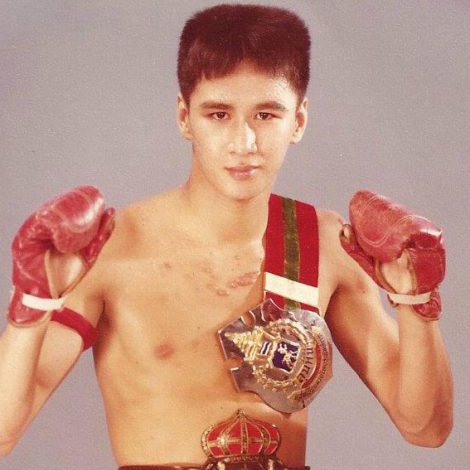
I once saw a video showing Yodkhunpon fight a western kickboxer, and in that fight elbows weren't allowed. He then fought just like Dieselnoi, which is to just double lock the opponent's head and knees, like a classic muay Khao fighter.
Yes. It's not that he didn't know how to lock, but westerners like his opponent were clueless on how to break the basic double plumb, so it made perfect sense to just have at it. This is very easy to counter that neck collar in most cases in Thailand, he could not get away with that in his home country. On the other hand, everything his opponent was doing in that fight, if elbows were permitted, would have ended very badly for him.
-
 1
1
-
-
11 hours ago, Francis said:
So could anyone please help me catagorize Yodkhunpon's style into a type of fight in Thailand?
He did clinch, but he didn't lock, which is the Golden Age style of clinching. His latching hand is very sticky. I think if you see the clinch style of Langsuan, who does this to the extreme, you'll see the element of clinch I'm talking about, where you use grabs to redirect and attack, and not to immobilize. But, you are very right, clinch is not the primary part of his game. And you are also right that it is very likely nobody ever fought like him, before or since. He'd be categorized as a Muay Sok fighter (and Elbow Fighter), but know that these categories aren't real. They are just very loose descriptors. He was maybe generally a Muay Khao fighter (knee fighter who derns) who also used elbows to pressure, and open up his knees. Karuhat once told us he wouldn't be worried about Yodkhunpon's elbows, he'd worry about his knees. It should also be said, even though we in the west love him, his style is I think considered a very "low" style in Thailand, denigrated and without a ton of appreciation. Even to this day he is vastly underrated in Thailand. It is full of art and creativity, and really beauty. But many Thais can or could not see it because of biases about kinds of fighting, a style that elbows very heavily, and is relentless. You can hear Yodkhupon talk a little about Samson Isaan, and why he made his Top 5 list. This is somewhat the story of Yodkhupon as well. Samson's Muay was also not appreciated in his day:
-
1
-


Suggestions for Krus and Legends to Film for the Muay Thai Library
in Patreon Muay Thai Library Conversations
Posted
Yes, training with him is difficult to arrange. We have tried. We will continue to try.